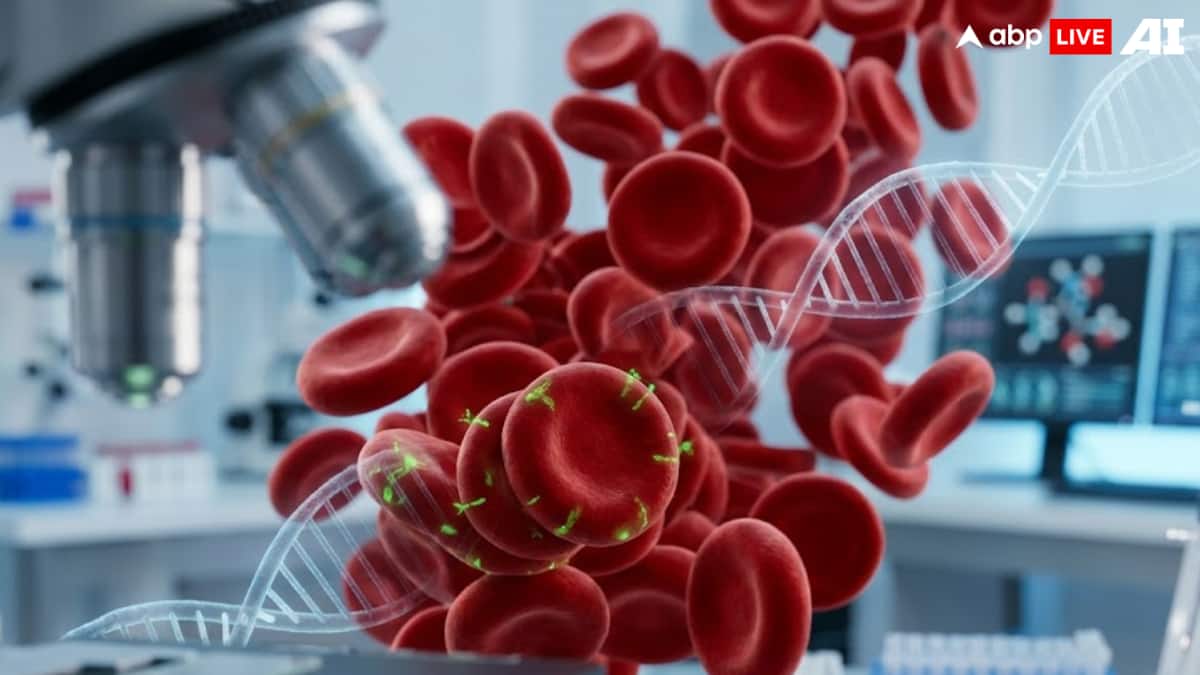
<p>Blood plays a vital role in the human body, carrying oxygen and essential nutrients to cells. For years, A, B, AB and O have been the blood groups most familiar to people. Now, scientists have identified a new blood group system called JAMA, taking the total number of recognised blood group systems to 49. The International Society of Blood Transfusion (ISBT) has officially recognised JAMA as the 49th blood group system.</p>
<p><strong>ALSO READ: </strong><span style="color: #ba372a;"><strong><a style="color: #ba372a;" href="https://news.abplive.com/health/epilepsy-rescue-drug-study-aiims-study-finds-oral-clobazam-stops-long-focal-seizures-in-about-a-minute-1866492">Epilepsy Rescue Drug Study: AIIMS Study Finds Oral Clobazam Stops Long Focal Seizures In About A Minute</a></strong></span></p>
<h2>How Was The JAMA Blood Group Discovered?</h2>
<p>The discovery came from a joint investigation by researchers from the UK and Israel. It began when scientists examined the blood of an Israeli woman and her brother.</p>
<p>The woman was found to have an antibody that reacted with the red blood cells of most people. However, the same reaction did not occur with her own red blood cells or those of her brother. This unusual result caught researchers’ attention because the antibody did not correspond to any previously identified blood group antigen.</p>
<p>The team then carried out further investigations to understand what made the blood of the two siblings different.</p>
<h2>Genetic Testing Revealed A Key Difference</h2>
<p>Researchers also examined the DNA of the woman and her brother. Their analysis identified a specific change in a gene called F11R, which is involved in producing a protein known as JAM-A.</p>
<p>Further investigation showed that JAM-A is normally present on the surface of red blood cells. However, the two siblings had a different form of the protein. This finding helped researchers establish the basis of the newly identified blood group system.</p>
<h2>Is JAMA Like A, B, AB Or O?</h2>
<p>JAMA should not be viewed as another category alongside A, B, AB and O. Instead, it is a separate blood group system involving a specific antigen.</p>
<p>This antigen is found on the red blood cells of most people. In the woman and her brother, however, it was absent. Their blood also contained a corresponding antibody, helping scientists identify the unusual blood group characteristics.</p>
<h2>Why Could JAMA Matter For Blood Transfusions?</h2>
<p>The discovery could be particularly relevant to blood transfusions. When a person lacks a particular antigen but has developed an antibody against it, receiving incompatible blood can trigger a reaction in the body.</p>
<p>Understanding the JAMA system could therefore help doctors and blood banks identify compatible blood more accurately. The finding may be especially significant when dealing with people who have extremely rare blood characteristics.</p>
<p><strong>ALSO READ: </strong><span style="color: #ba372a;"><strong><a style="color: #ba372a;" href="https://news.abplive.com/health/stem-cell-therapy-rules-health-ministry-unapproved-treatment-1867573">Health Ministry Tightens Rules On Unapproved Stem Cell Treatments</a></strong></span></p>
<h2>Why Is The JAMA Discovery Significant?</h2>
<p>The identification of JAMA shows just how complex human blood group systems can be. While A, B, AB and O are widely known, red blood cells carry several other antigens that can become important in specific medical situations.</p>
<p>Recognising these less common blood characteristics can help improve the identification of compatible blood during transfusions. With JAMA now recognised as the world’s 49th blood group system, the discovery adds another piece to scientists’ understanding of human blood.</p>
The post Scientists Discover New JAMA Blood Group In Humans appeared first on Doc Talk | COPD Symptoms: Early Warning Signs You Should Know Before Lung Damage Worsens.