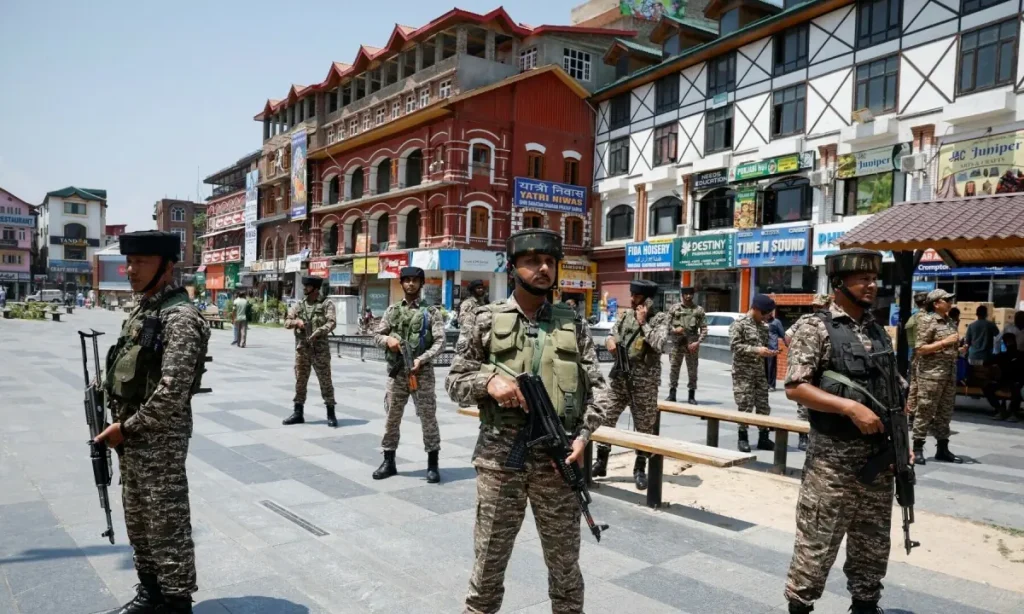
SEVEN years after India revoked occupied Kashmir’s limited autonomy, disquiet continues in the disputed region over the prevailing state of affairs. Even loyalist parties in India’s good books are not happy.
This was reflected in a resolution passed by the held region’s assembly on Monday, which called for a restoration of statehood that was scrapped when the Indian constitution’s Article 370 was abrogated in 2019. The occupied area’s chief minister, Omar Abdullah, claimed that statehood was “our right”. BJP lawmakers termed the resolution “anti-national”. Two similar resolutions have been passed over the years by the IHK legislature.
The problem goes far deeper than the restoration of the status quo ante that existed before August 2019. The core issue is the Kashmiris’ right to self-determination, which India has been blocking since the division of the subcontinent. Unless this core issue is addressed with justice, the problem will linger as Kashmiris in the occupied territory are denied their fundamental rights. While speaking at the UN General Assembly, Prime Minister Shehbaz Sharif also highlighted the Kashmir issue, saying that Kashmiris had been waiting “for eight decades” for the UN to fulfil its commitments. He also pointed out the human rights violations that India has carried out against the Kashmiri population. Turkiye’s President Recep Erdogan, while speaking at the UNGA, similarly called for a resolution of the Kashmir question as per the “relevant resolutions”.
The human rights situation in the disputed region is very grim. A UN report from November 2025 has condemned the arbitrary arrests, suspicious deaths in custody, torture and “discriminatory treatment of Kashmiri and Muslim communities”. Held Kashmir’s wounds cannot be left to fester. The people of Kashmir, including even those politicians who were or are close to New Delhi, are chafing under the post-Article 370 regime in the held region. Along with rights abuses, there is also alarm over the demographic changes in IHK, as the Kashmiris are being turned into a minority in their own land. The just solution lies in India addressing the issue through a trilateral dialogue involving the legitimate representatives of the Kashmiri people and Pakistan. India’s rulers can continue to believe the fiction that occupied Kashmir is an ‘integral’ part of their country. But that does nothing to address the dissatisfaction that both the common Kashmiri and the political elite of the region feel towards Indian rule. The dispute has poisoned all chances of normalisation in South Asia. Instead of arrogantly dismissing talk of freedom, India’s rulers need to listen to voices from IHK, and together with Pakistan, work towards a just solution to this dispute.
Published in Dawn, September 30th, 2026
The post Kashmir unresolved appeared first on Dawn – Home.