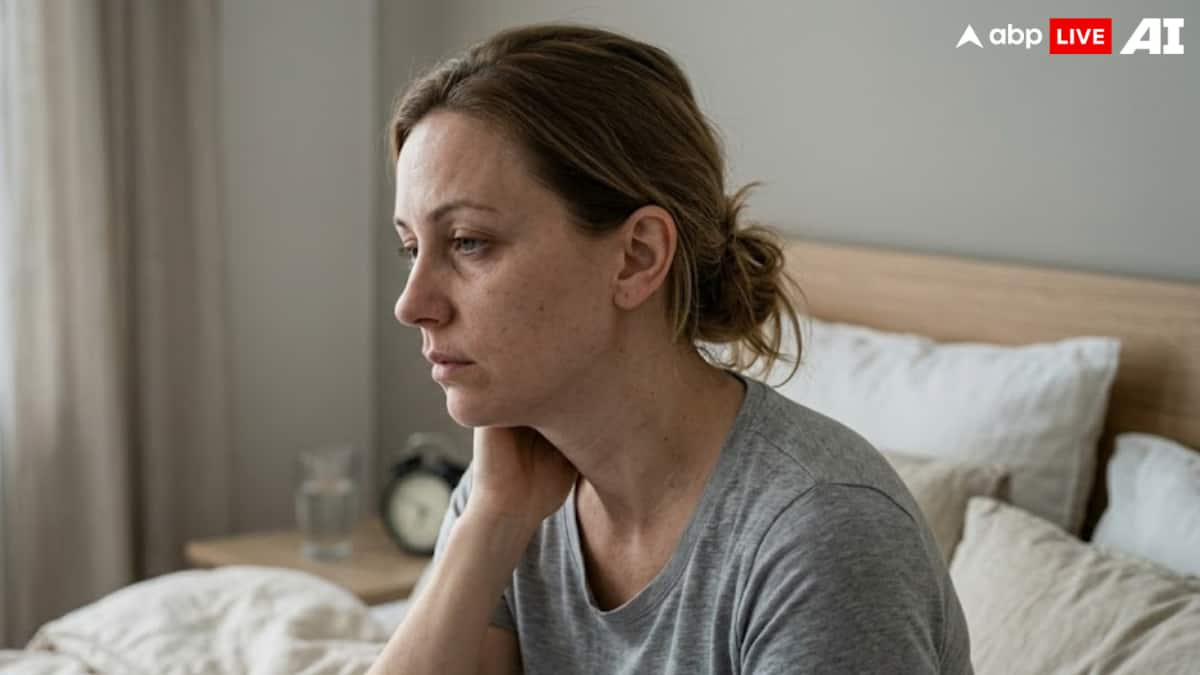
<p>Getting seven to eight hours of sleep does not always mean waking up feeling refreshed. While stress, excessive workload and lifestyle habits are often linked to tiredness, the structure of the jaw may also affect sleep in some cases. A small or recessed lower jaw can leave less space for the tongue and surrounding tissues, potentially narrowing the airway during sleep. This can be associated with obstructive sleep apnoea, a condition in which breathing repeatedly stops or becomes reduced during sleep.</p>
<p><strong>ALSO READ: <span style="color: #ba372a;"><a style="color: #ba372a;" href="https://news.abplive.com/lifestyle/pig-kidney-transplant-in-humans-how-tim-andrews-lived-271-days-with-an-animal-kidney-1866814">Pig Kidney Transplant In Humans: How Tim Andrews Lived 271 Days With An Animal Kidney</a></span></strong></p>
<h2>How Can Jaw Structure Affect Sleep?</h2>
<p>As the body relaxes during sleep, the tongue and soft tissues around the mouth can move backwards. When the lower jaw is small or positioned further back, there may be less room for the tongue inside the mouth. This can put pressure around the airway and make the passage narrower.</p>
<p>This situation is associated with obstructive sleep apnoea, where breathing can repeatedly stop or become restricted during sleep. Other factors, including excess weight, age and lifestyle, can also increase the risk.</p>
<h2>Why Does Tiredness Continue Despite Enough Sleep?</h2>
<p>Not everyone with sleep apnoea experiences obvious symptoms such as loud snoring or noticeable pauses in breathing. For some people, persistent daytime tiredness may be one of the signs.</p>
<p>Even after spending seven or eight hours in bed, a person may wake up without feeling rested. Morning headaches, excessive daytime sleepiness, irritability and difficulty concentrating can also occur. Repeated interruptions to breathing during the night can prevent sleep from being fully restorative, leaving a person feeling sluggish throughout the day.</p>
<p>If this tiredness continues alongside snoring or other sleep-related problems, it should not be ignored.</p>
<p><strong>ALSO READ: </strong><span style="color: #ba372a;"><strong><a style="color: #ba372a;" href="https://news.abplive.com/lifestyle/chest-heaviness-after-fever-is-it-weakness-or-a-sign-of-pneumonia-1866789">Chest Heaviness After Fever: Is It Weakness Or A Sign Of Pneumonia?</a></strong></span></p>
<h2>The Right Treatment Depends On The Diagnosis</h2>
<p>People experiencing persistent tiredness, snoring, morning headaches or breathing difficulties during sleep should consult a doctor. An evaluation may include examining the jaw structure, teeth, tongue position and airway. If required, a sleep study can help determine whether sleep apnoea is present and assess its severity.</p>
<p>Treatment varies from person to person. Depending on the situation, options may include lifestyle changes, a CPAP machine or specific oral appliances. If jaw structure is a major factor contributing to airway obstruction, orthodontic treatment or surgery may also be considered in some cases.</p>
<p>The aim of treatment is not simply to reduce snoring. It is also to improve airflow during sleep and help the person get more restorative sleep.</p>
<p><em><strong>[Disclaimer: The information provided in the article is intended for general informational purposes only. It is not a substitute for professional medical advice, diagnosis, or treatment. Always seek the advice of your physician or other qualified healthcare provider with any questions you may have regarding a medical condition.]</strong></em></p>
The post Tired Despite 7-8 Hours Of Sleep? This Hidden Factor Could Be Behind It appeared first on Epilepsy Rescue Drug Study: AIIMS Study Finds Oral Clobazam Stops Long Focal Seizures In About A Minute.