
Black hole sonhtml,body{margin:0;background:#050403}
#bhs-lamp{background:#050403;color:#E9DFC9;font-family:’EB Garamond’,Georgia,serif;font-size:21px;line-height:1.6}
#bhs-lamp *{box-sizing:border-box}
#bhs-lamp p{margin:0 0 1em}
#bhs-lamp .txt{max-width:640px;margin:0 auto;padding:96px 6%}
#bhs-lamp .lbl{font-family:’Space Mono’,monospace;font-size:12px;letter-spacing:.2em;text-transform:uppercase;color:#b89a5c}
#bhs-lamp h2{font-weight:400;font-style:italic;font-size:clamp(34px,4vw,48px);line-height:1.05;color:#F6EBD3;margin:10px 0 30px}
#bhs-lamp .q{font-style:italic;font-size:clamp(24px,2.6vw,30px);line-height:1.3;color:#F2C14E;margin:34px 0 8px}
#bhs-lamp .q+.lbl{display:block;margin-bottom:34px}
#bhs-lamp .num{font-size:64px;line-height:1;color:#F6EBD3}
#bhs-lamp .stats{display:grid;grid-template-columns:repeat(auto-fit,minmax(160px,1fr));gap:24px;margin:8px 0 40px;text-align:left}
#bhs-lamp .stats div{font-size:17px;line-height:1.35}
#bhs-lamp .plate{position:relative;overflow:hidden;cursor:crosshair}
#bhs-lamp .plate img{display:block;width:100%;height:auto}
#bhs-lamp .shade{position:absolute;inset:0;pointer-events:none;background:radial-gradient(circle 110px at 50% 55%,rgba(5,4,3,.55) 0,rgba(5,4,3,.97) 100%)}
#bhs-lamp .pair{display:grid;grid-template-columns:repeat(auto-fit,minmax(320px,1fr));gap:4px}
#bhs-lamp .cap{font-family:’Space Mono’,monospace;font-size:12px;letter-spacing:.06em;color:#9c8f77;padding:10px 6% 0;margin:0}
#bhs-lamp .note{font-size:17px;color:#bfb39b;border-top:1px solid #3a3226;padding-top:18px;margin-top:30px}
Prism · photo essay · Makerwal, Mianwali
Black hole son
In Makerwal, men have dug coal for more than a hundred years. Oil lamps used to go out when the air turned bad. Today’s torches warn of nothing.
Words and photographs by Ajmal Jannan
How to view the photos
Every photo starts in darkness, as it would be underground.
On a computer: move your mouse over a photo. Your cursor works like a headlamp and lights up the photo, which then stays lit.
On a phone: just scroll. Each photo lights up as it comes into view.
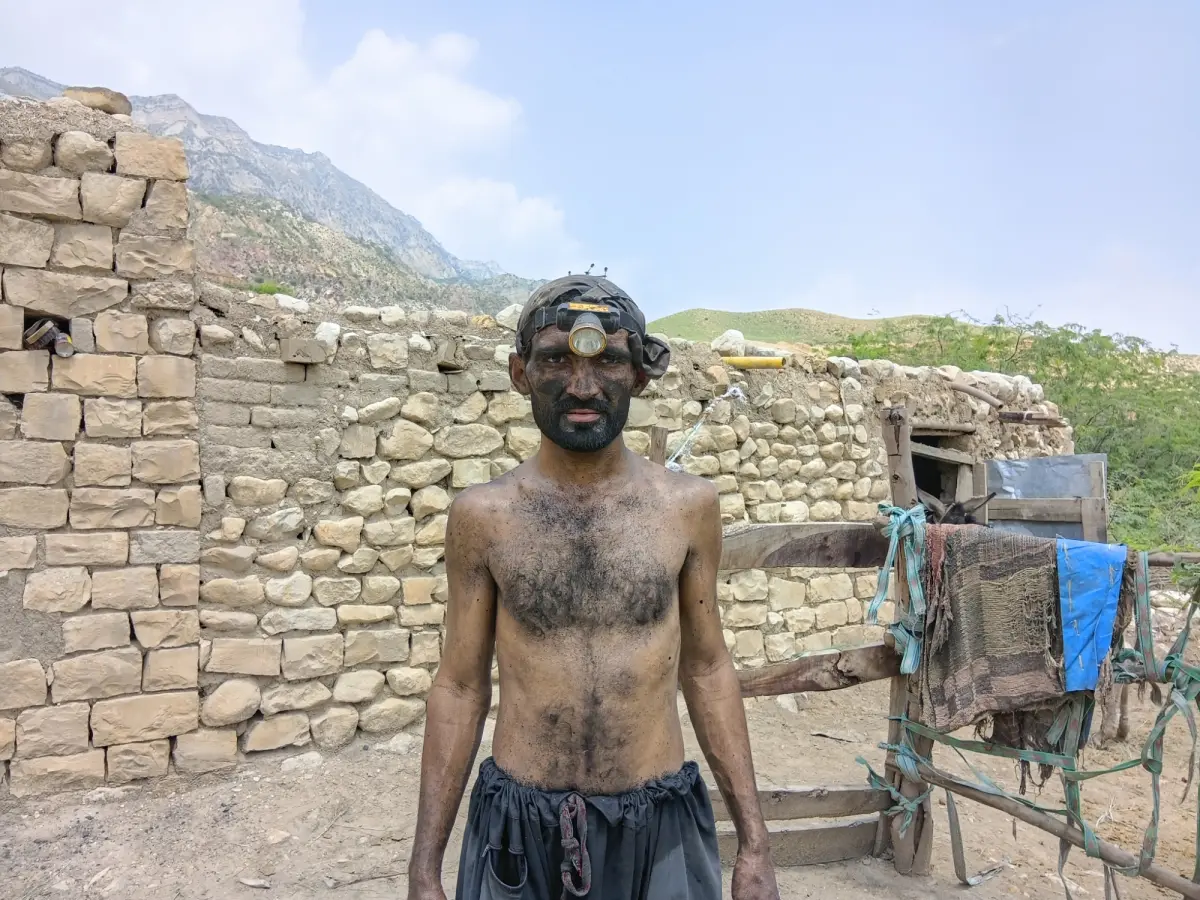
On Monday night, Nizam Din told his elder brother that someone was going to die in the coal mines, today or tomorrow. Someone’s life would be taken, he said, because there was no timbering in the mines: the wooden frames that hold up the walls, roofs and shafts of the tunnels underground.
On Wednesday at 7:30am, Nizam himself died in the same mine.
His brother, Abdul Kareem, could barely recognise him.
“He died with bulging eyes and torn lips. We were told the cause of death was a rock-like slab, roughly the size of a single bed, falling on his face.”
Abdul Kareem
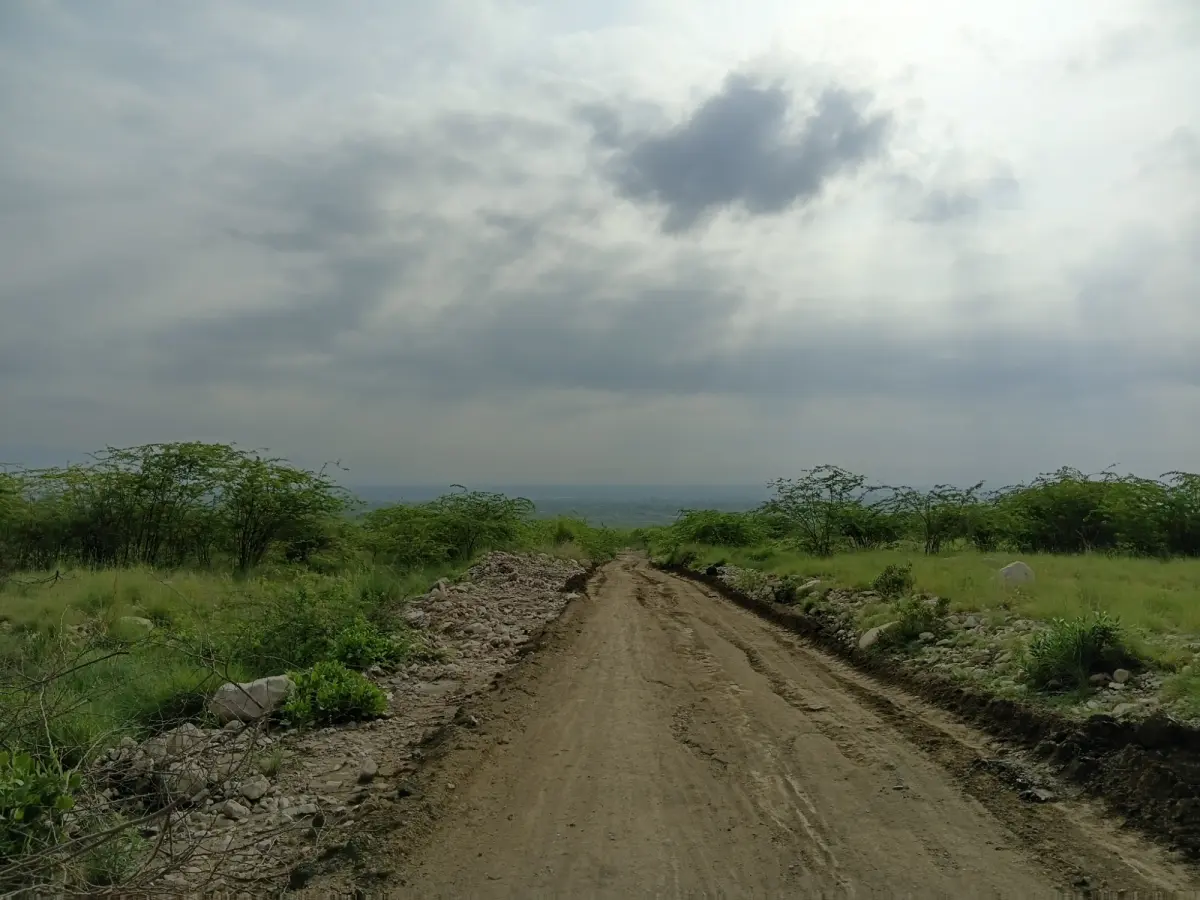
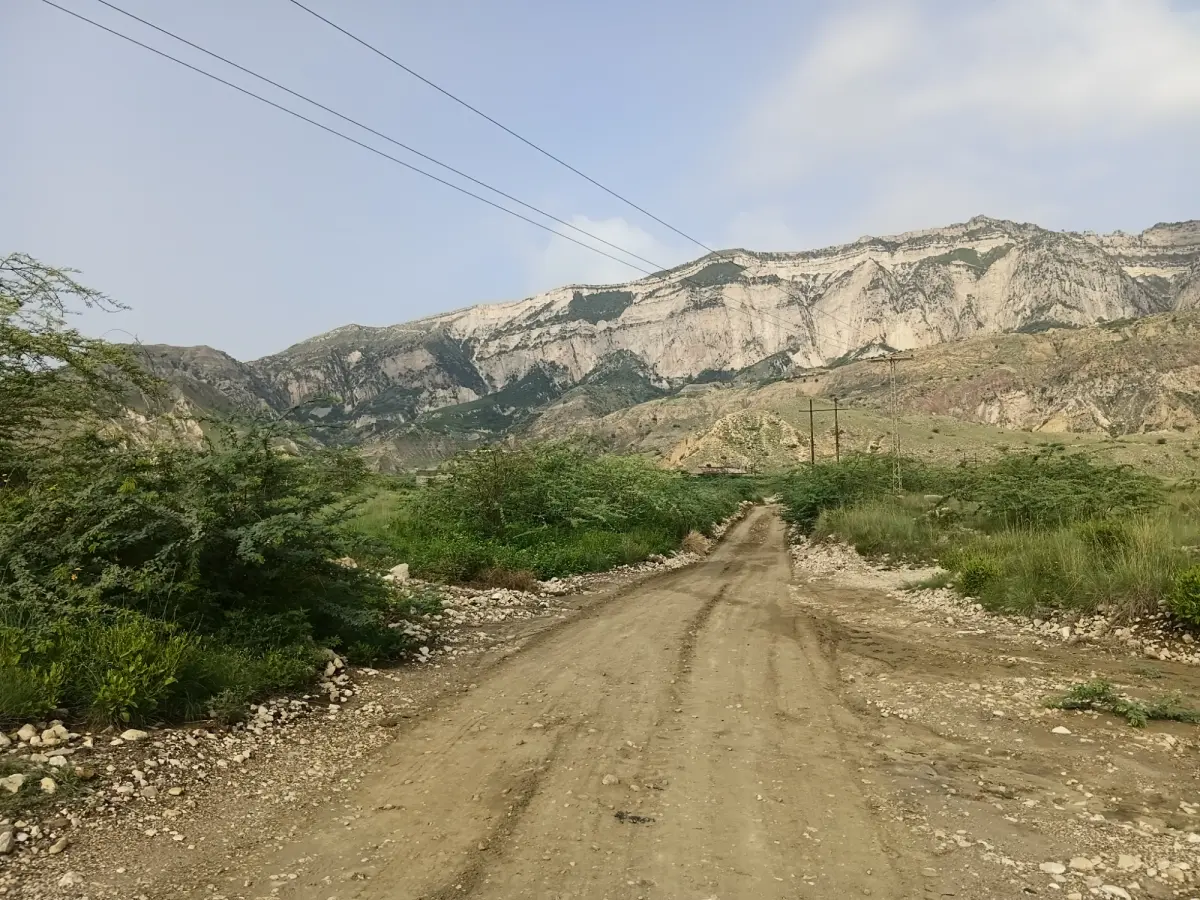
The count
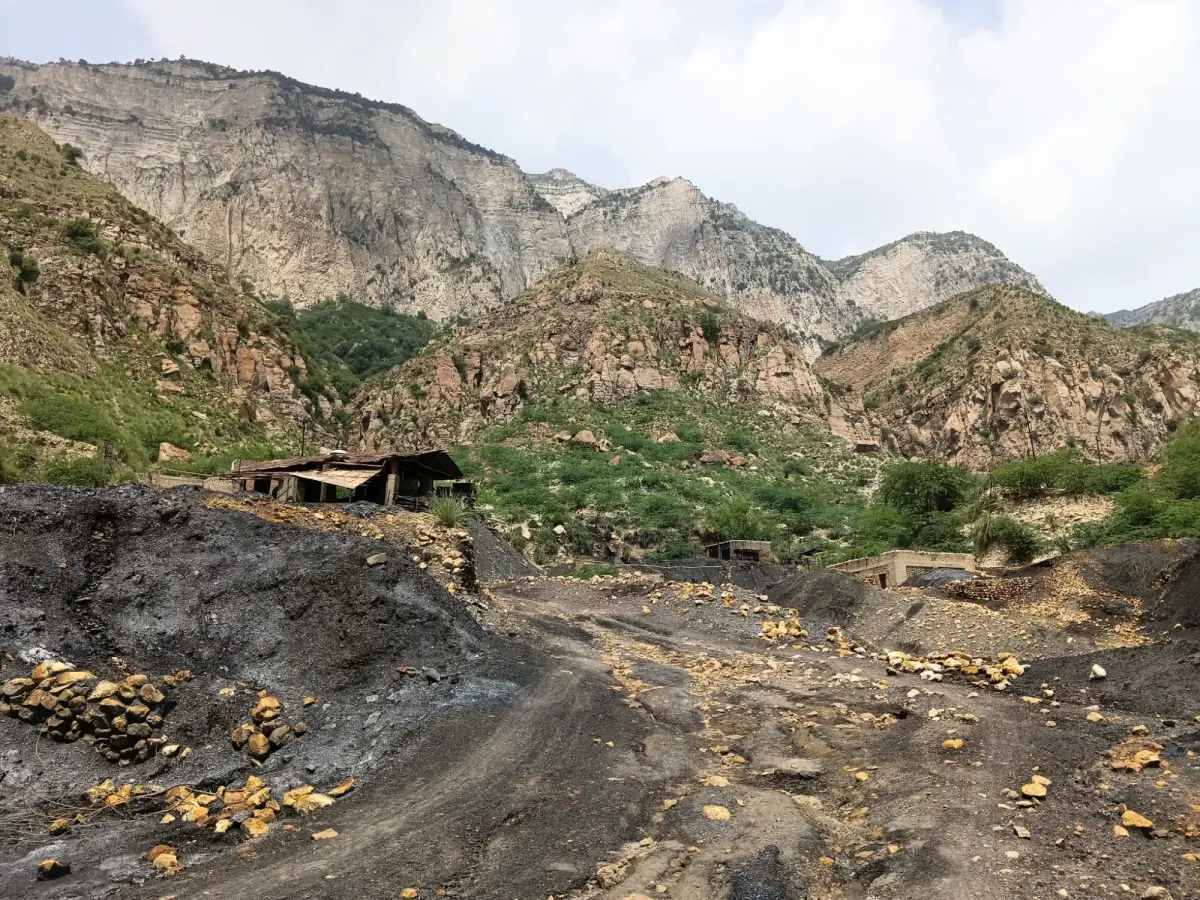
216 dead in five years
216miners killed in accidents in Punjab, 2020–2024
17in Mianwali district, most of them in the Makerwal coal mines
10,000+workers in Makerwal’s mines and around them
The figures come from the Chief Inspector of Mines, Punjab’s annual report for 2024. Most of Mianwali’s deaths happened in Makerwal, a remote village in the district. Locals and rescue teams say safety is poor. Activist Zahid Iqbal estimates that more than 10,000 people work in the mines in and around Makerwal.
An underground century
Since 1913
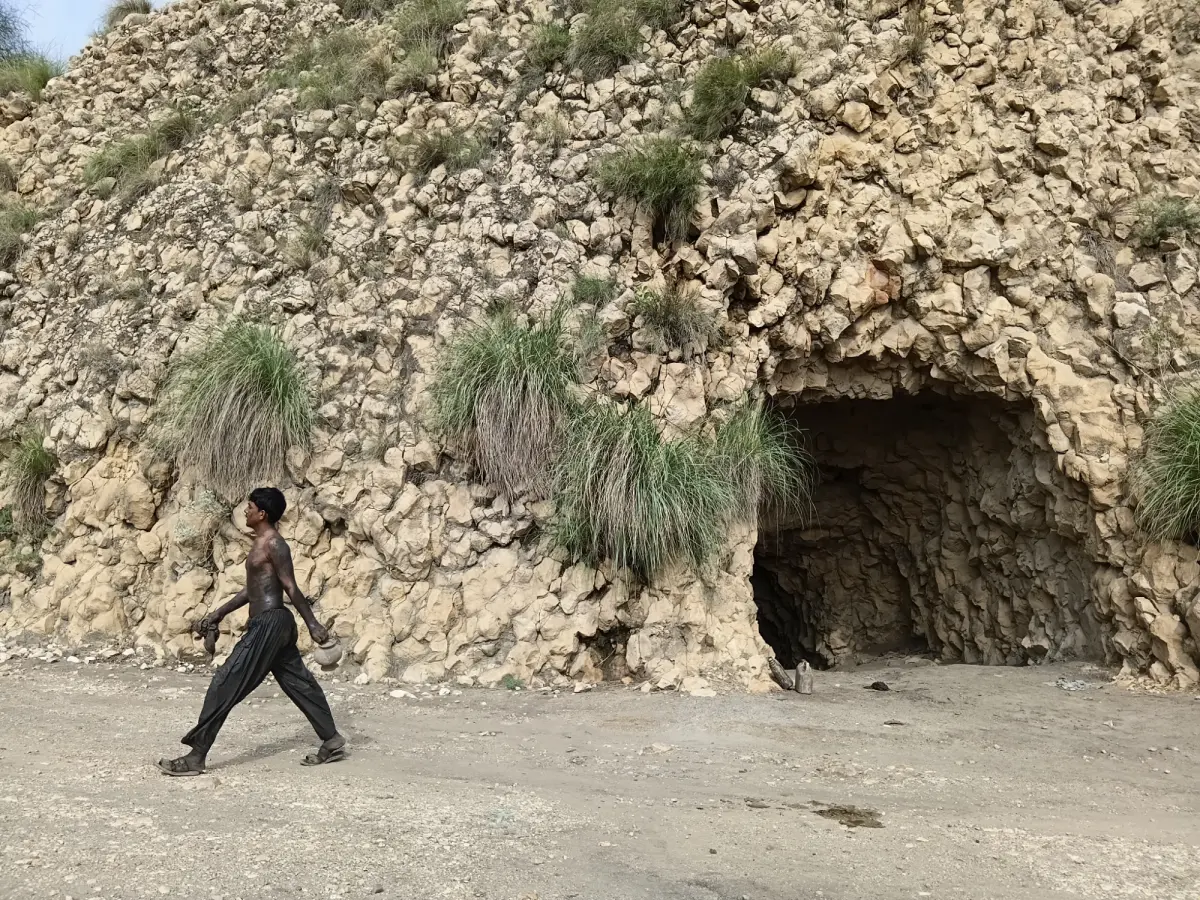
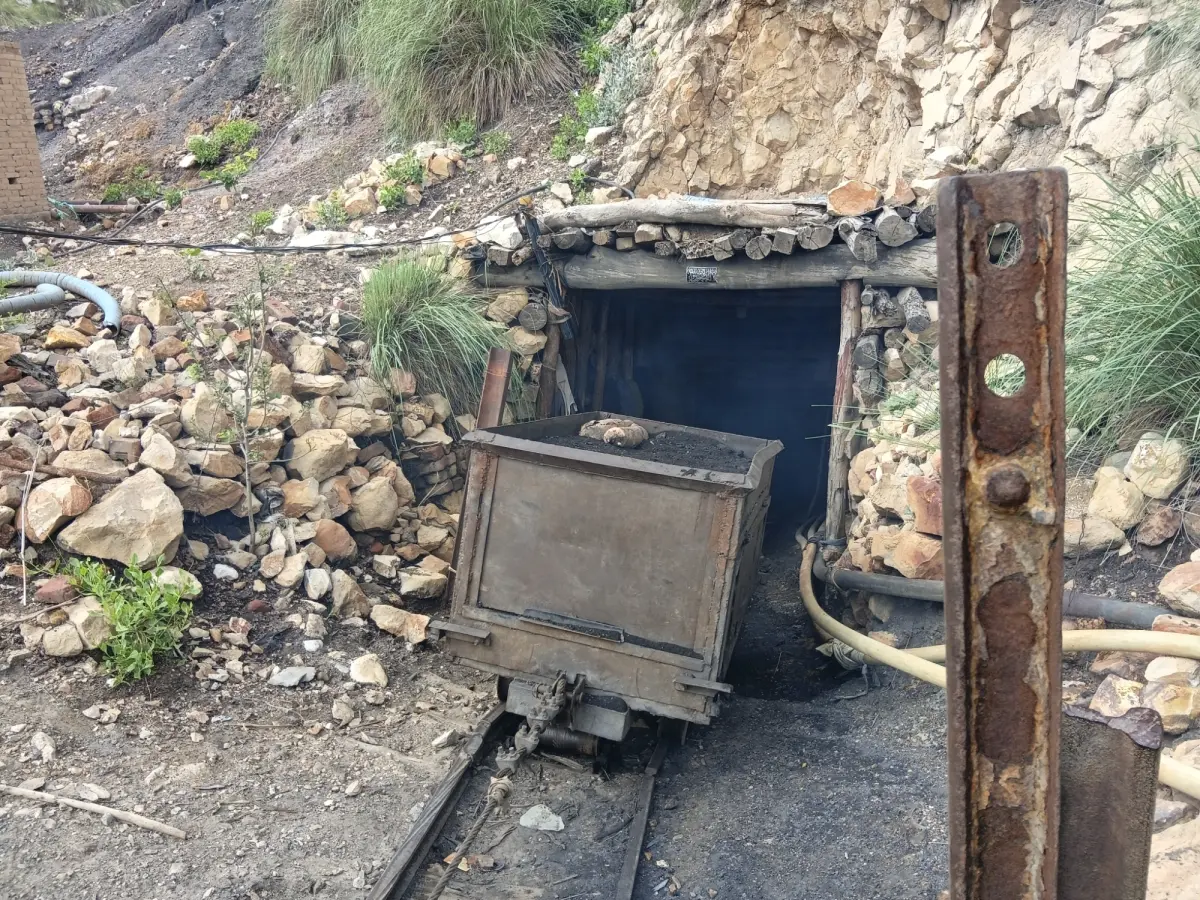
Coal mining in Makerwal began under the British in 1913. Some mines still working today date from before partition: Dholu-Ram, Lamshiwal, Asar, Umarkash, MacKilligan and Charles.
The federal government took over the mines in 1949. In 1954 they went to the Pakistan Industrial Development Corporation (PIDC). In 1974, Makerwal Collieries Limited (MCL) was transferred to the Pakistan Mineral Development Corporation (PMDC). It made losses and was privatised in 1995.
In 2021, MCL was split in two. The Shadi Khel Group took MCL; the Lahori Group took the new company, Makerwal Coal Works (MCW). MCW has 42 mines and MCL has 25 in Punjab. Both also have mines that fall under Khyber Pakhtunkhwa, where the KP government provides no rescue or other services.
Only MCL and MCW hold coal leases in Makerwal. Local contractors run the other mines and pay the companies 25 per cent of the coal. If a mine makes a loss, the companies are not responsible: the contractors carry it themselves.
How mining happens
Into the mountain
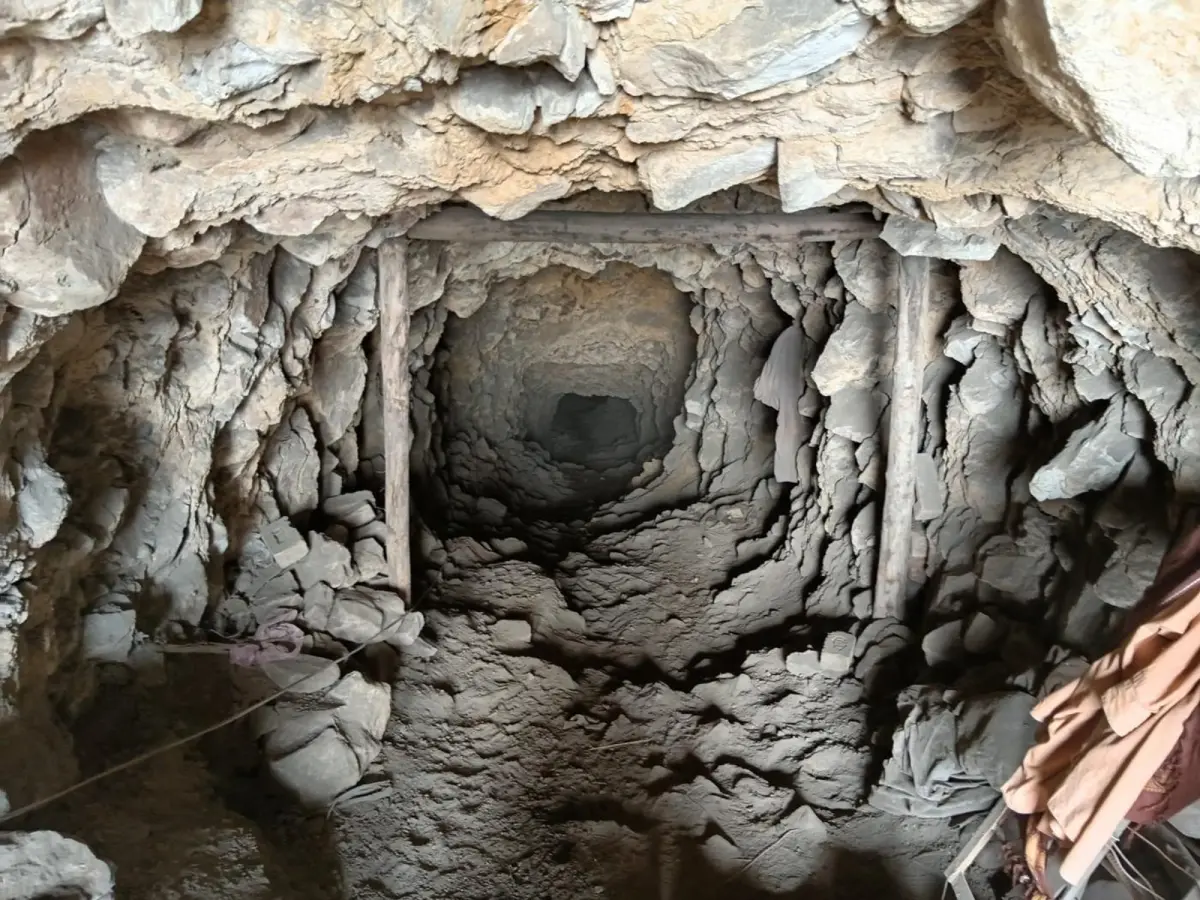
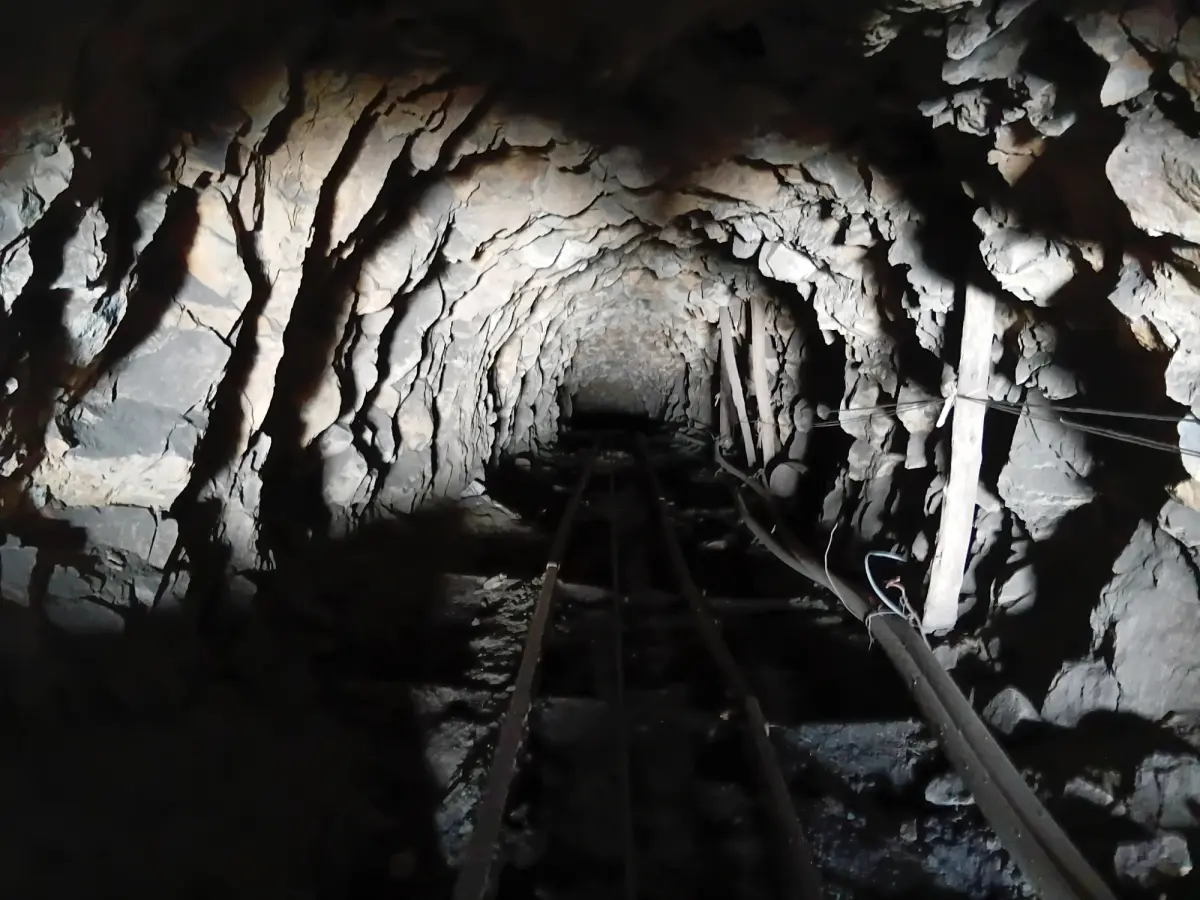
Makerwal’s coal lies deep. Geologists advise contractors where to dig. First comes 90 to 130 feet of yellowish limestone, then silica sand and a black sand bed, together 70 to 80 feet thick. The coal is beneath them.
Miners dig tunnels into the mountain until they reach the seam, then dig sideways to get at the coal. A common method is room and pillar: blocks of coal are taken out and pillars of coal are left standing to hold up the roof and stop it falling on the workers.
Each mine has two openings: a low one, 10 to 15 feet deep, and a higher one several hundred feet into the mountain, where the two meet. Air comes in at the bottom and leaves at the top. Workers dig two lines side by side along the seam and join them every 50 feet so the air can move. A big seam may have several levels, 4, 6, 8, 10 or 12, each joined every 50 feet. Where that isn’t enough, blower fans are used.
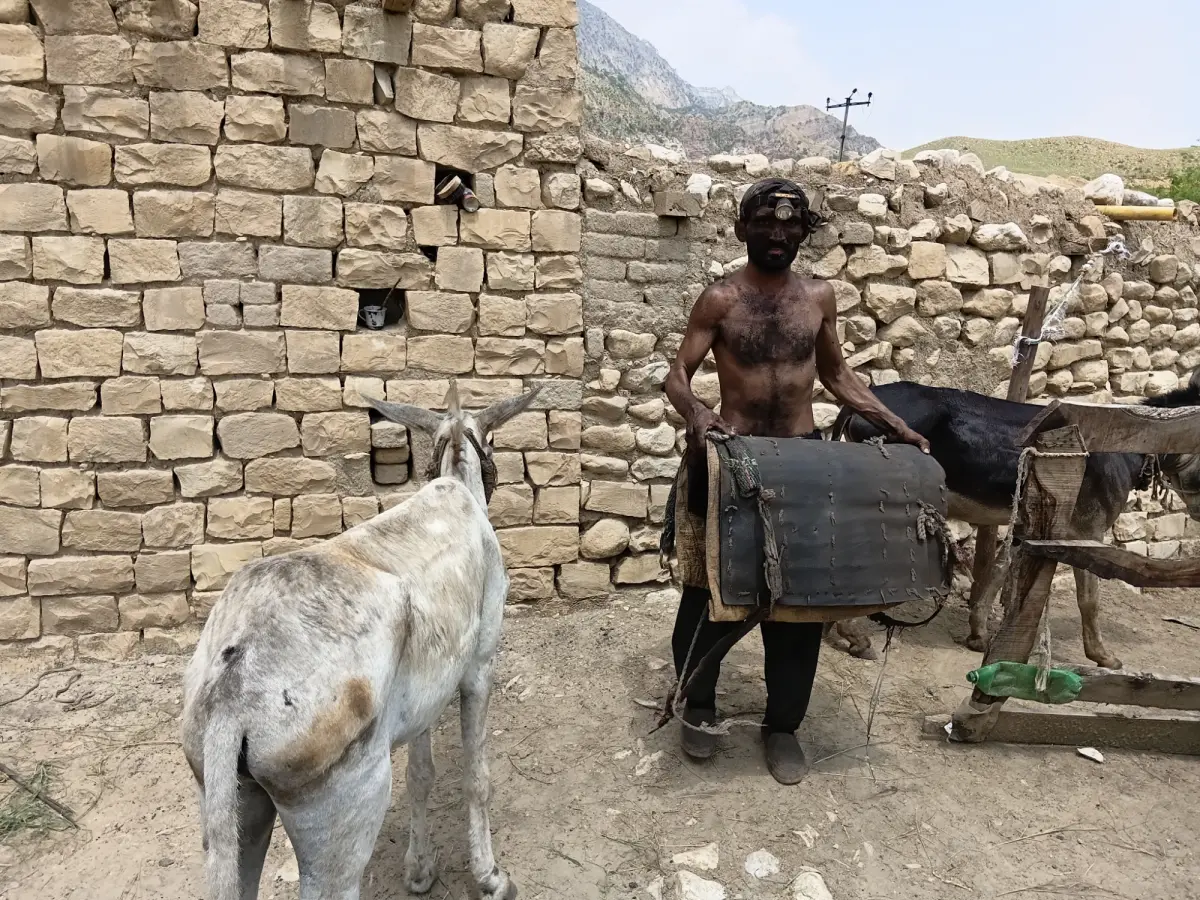
If water gets in, a heavy transformer is set up inside to pump it out every day before digging starts. Coal comes out on donkeys and in mine carts.
The shift
Before anyone else wakes
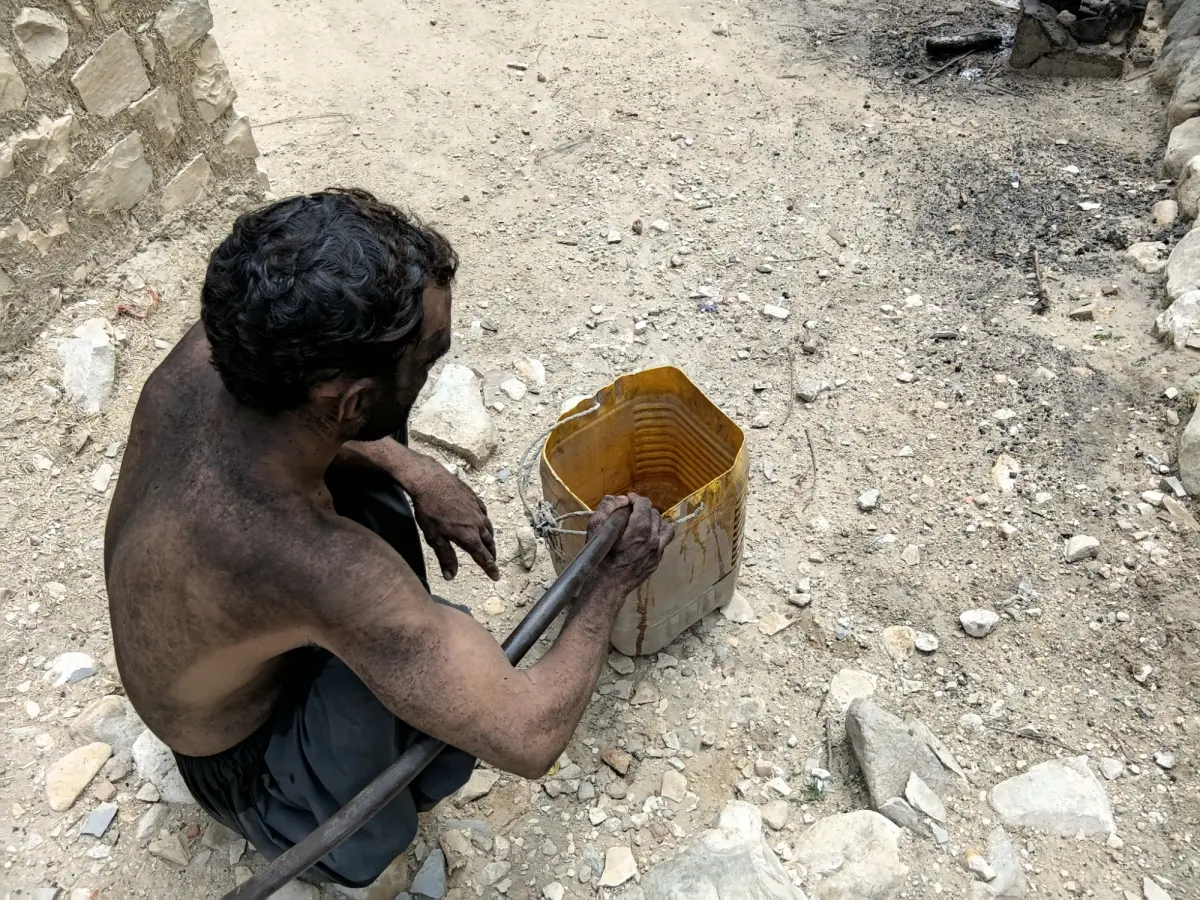
In Makerwal, miners start work long before most people are up. Some leave home at 2am, walk for an hour, then go down hundreds or even thousands of feet. It is so hot they roll their shalwars up to the hamstrings.
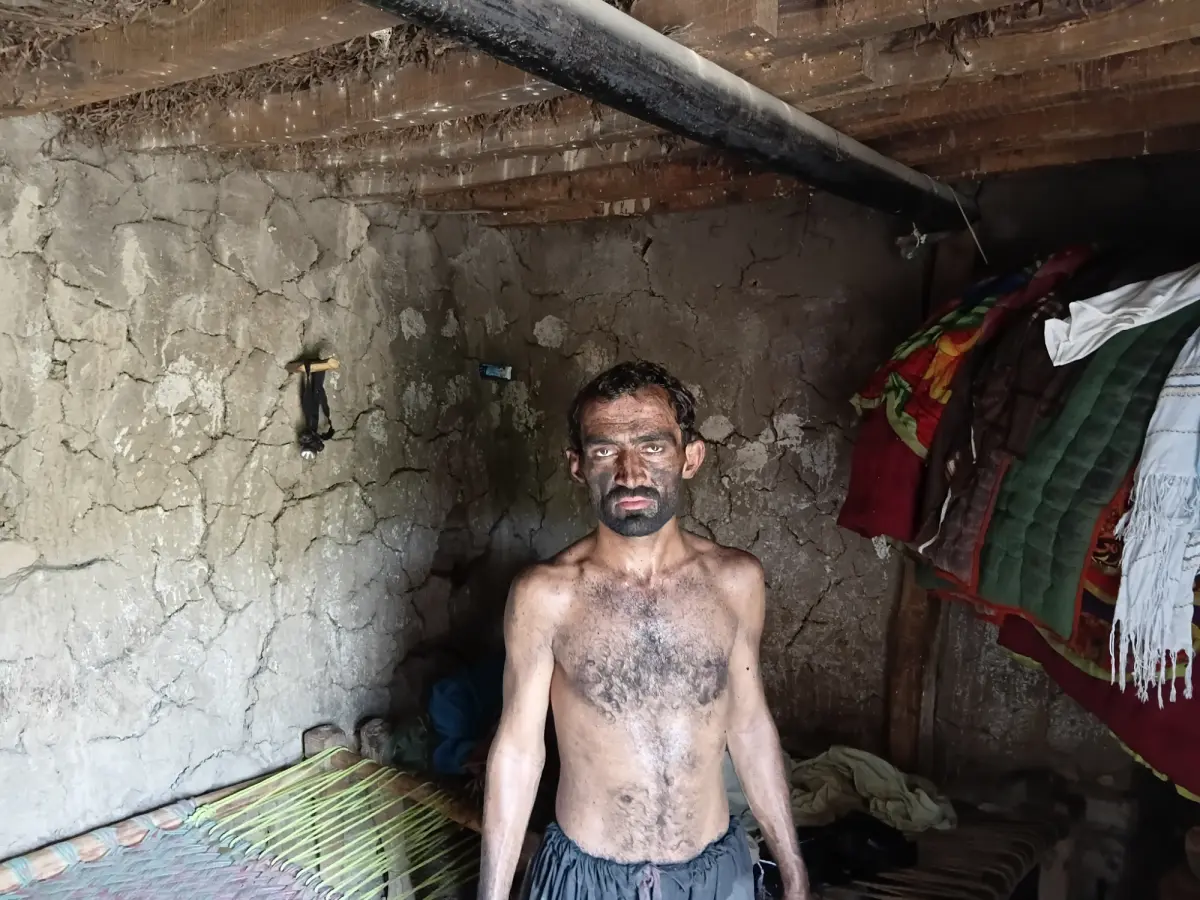
No one can bear to wear helmets, masks, boots, gloves or uniforms, says Dr Muhammad Faraz, a medical officer at the Mines Labour Welfare Hospital in Makerwal. He sees pneumoconiosis, where a permanent layer of coal dust has built up in the lungs. This is what happens when you don’t wear a mask, he says. Low oxygen gives workers low blood pressure.
“Don’t even get me started on the temperature. When we leave the coal-digging area to rest, our hearts start pounding so fast that we almost collapse.”
Babar, miner
The roof
“I am done for today”
On 18 September 2025, Saifullah was digging inside a mine. There was no proper timbering. The ventilation fan was on, but it was hot. He was loading a donkey when the roof fell, and he died on the spot. Irfan, a fellow miner, was working 200 feet away.
“We asked him, if you haven’t dug enough, we can help you. He said no, I am done for today.”
A worker
They carried him out on a stretcher made from a sack.
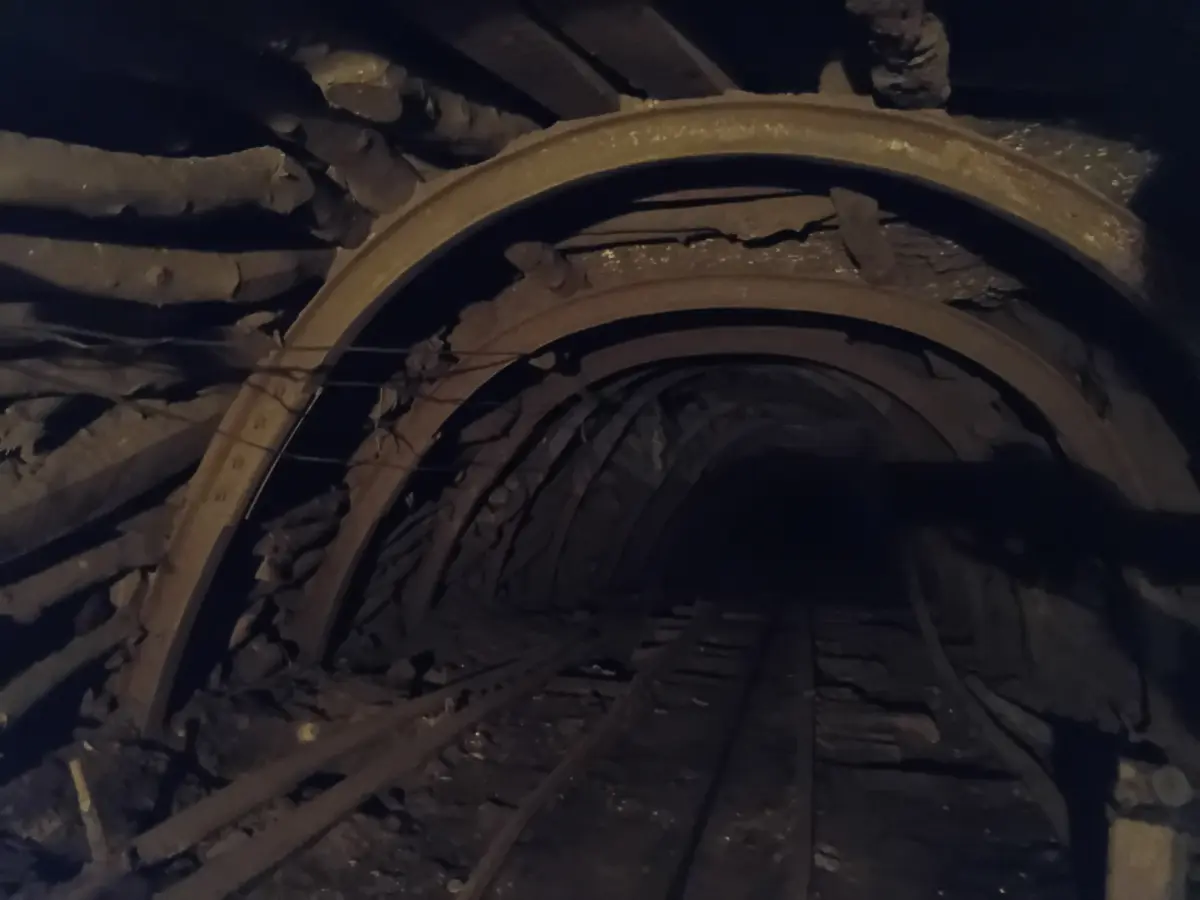
Roofs fall during timbering and when the coal pillars are removed. Timbering is a mine’s security guard: it makes a sound and warns workers before a fall. Workers believe the companies use poor timber. In the PMDC days it was pine, and it was very good. Now babul is recommended, at least four inches wide, but most of the time, workers say, companies use eucalyptus.
Roofs also fall because companies are mining the coal pillars that PMDC or the British left in the mines to keep them safe. “If the roof falls, rescue workers can only guide workers to do the rescue,” a rescue worker said.
Some mines have pits so deep that even with a torch you cannot see the bottom. Donkeys have fallen in, and no one knows where they ended up.
One family
Three deaths
On 8 November 2025, Qasim Khan died just as he came up out of the mine. His medical report said cardiac arrest. His father, Shaista Khan, had died in 2012. His elder brother, Musam Khan, died four years after a roof caved in on him in the mine in 2013.
Methane
Fire underground
In 2020, methane built up and caught fire in a mine. Four labourers were badly hurt. Two burned to death. Two survived with burns. All their skin had peeled away; they looked like large, raw pieces of red flesh. What little skin remained hung from their bodies like pieces of cloth, and later had to be cut away with scissors. The two who survived still work in the mines.
“That’s our job. What will we do if we do not do this?”
Tariq, local coal contractor, third generation in coal
Khaleel, another local contractor, remembers a fire a few years ago that trapped workers underground.
“Their skin was hanging from their bodies. I couldn’t even bear to look at them.”
Khaleel, contractor
Every one of those workers died.
When digging causes friction, a spark can light the methane. “In such cases, the law does not allow rescue workers to begin straight away. We first have to stop the oxygen getting to the fire, and only then can we rescue,” a rescue worker said.
Dangerous gases build up where ventilation is poor. Carbon dioxide, carbon monoxide, methane and sulphur can be measured with small devices. The rescue station in Makerwal has them, an official said. They cost barely Rs25,000, but companies don’t keep them. Sulphur can make workers sluggish and slowly affect their blood cells. Shahid, an MCW official, said the company does have them, at the office. The office is 3km away.
It used to be different. Before, workers carried oil lamps that went out when oxygen fell, a warning, and in total darkness it was impossible to carry on. In the PMDC era, workers used a special safety torch with glass that dimmed and turned from white to yellow when gas rose past the limit. Now they use electric torches that do neither.
Rescue
Three men and a pickup
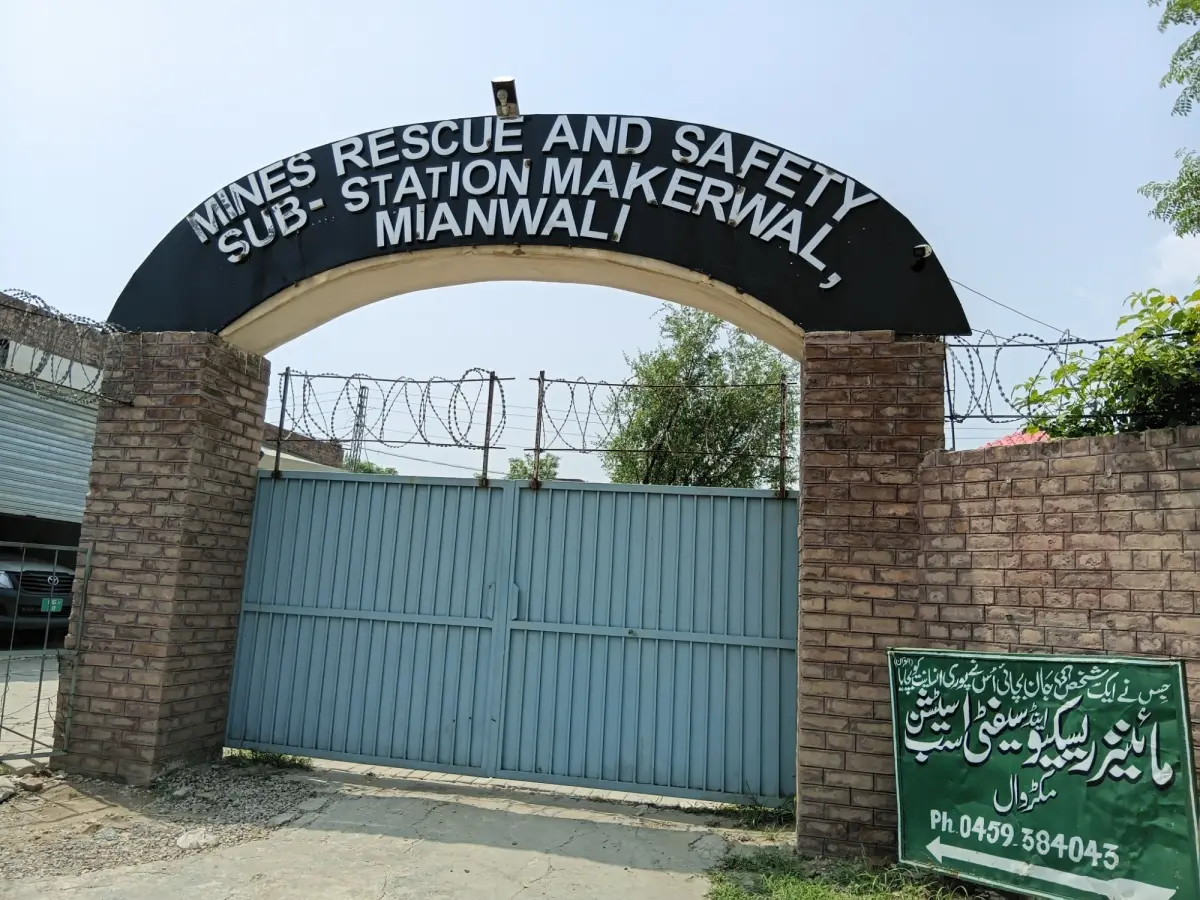
A rescue worker at the Mines Rescue and Safety Sub-Station, who did not want to be named, said it is the company’s job to provide proper safety equipment and cooling, and to make sure every worker follows the safety rules.
The Makerwal station has three rescue workers. The government says there should be five, plus a rescue captain. The station has a driver, but for the past month he has also been on duty in Mianwali, about 80km away, with a junior inspector of mines. Rescuers have no 4×4 ambulance, which is what mountains need; theirs is built for flat roads and cannot climb. They have no fire-resistant uniforms. Dr Faraz says the hospital is also badly short of staff.
There is no burns unit. Patients are sent to DHQ Hospital Mianwali.
Workers say MCW has no ambulance. MCW’s Shahid showed a recent internal letter approving a Vigo pickup as an ambulance, five years after the company was set up. Riaz Khan, manager coordination at MCL, said MCL has first aid equipment and an ambulance.
The rescue station runs safety courses every month and has advised the companies to keep a dispensary at every mine section. Junior mine inspectors visit the mines; they can order companies to fix violations or, in serious cases, seal a mine.
Wages and welfare
Rs1,000 a day
In Makerwal, an underground worker earns around Rs1,000 to Rs1,500 a day for about six hours’ work. Workers above ground earn less, for longer hours. Tariq, the contractor, says they also pay security guards Rs350 a day, though “the guard sleeps all night”.
Activist Zahid Iqbal says companies try to avoid registering workers with the pension and social security schemes, EOBI and PESSI.
MCL’s Riaz Khan says MCL gives its workers EOBI, Rs500,000 in death compensation and funeral costs, and helps them get ration cards worth Rs3,000 a month. He says widows of workers get a Rs5,000 stipend. MCL gave land for girls’ and boys’ higher secondary colleges and a hospital, which the Mines Labour Welfare Department, Punjab, built. MCL provides staff for the hospital, drinking water, and cheaper electricity to nearby communities.
After the 2021 split, MCW stopped paying EOBI, says Irfan, a miner. “Currently, I pay Rs1,800 myself for my EOBI.”
Shahid says MCW only gets a 25 per cent share of the coal, so it pays 25 per cent of workers’ EOBI. Who pays the other 75 per cent, he says, is not the company’s concern. MCW gives mines to local contractors, he adds, so the workers are not its responsibility. He says MCW pays death compensation and funeral costs, and that since Nizam Din was an MCW worker, the company has paid his family.
Not counted
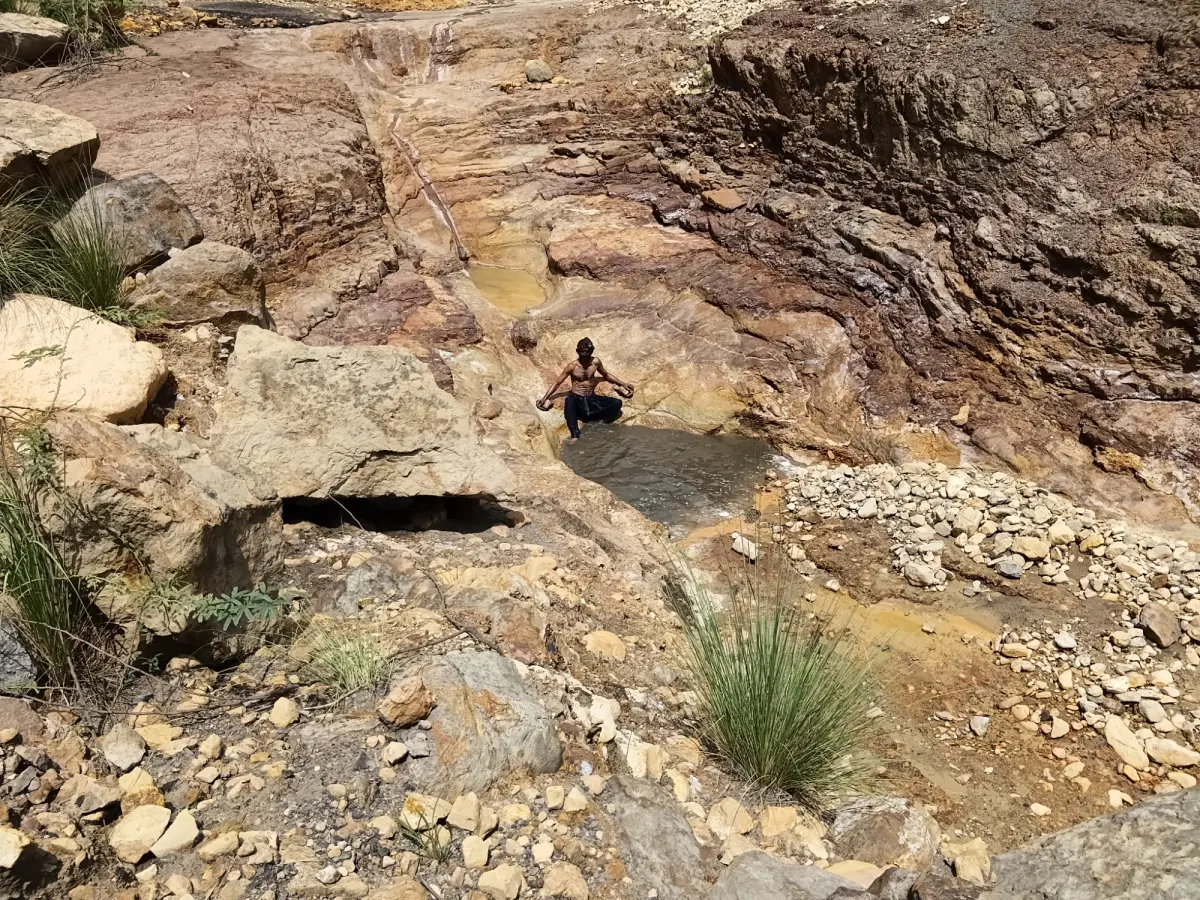
Not all mine workers have national identity cards. If they die, they are not counted.
“They die for nothing.”
Irfan, miner
After
Not a single penny
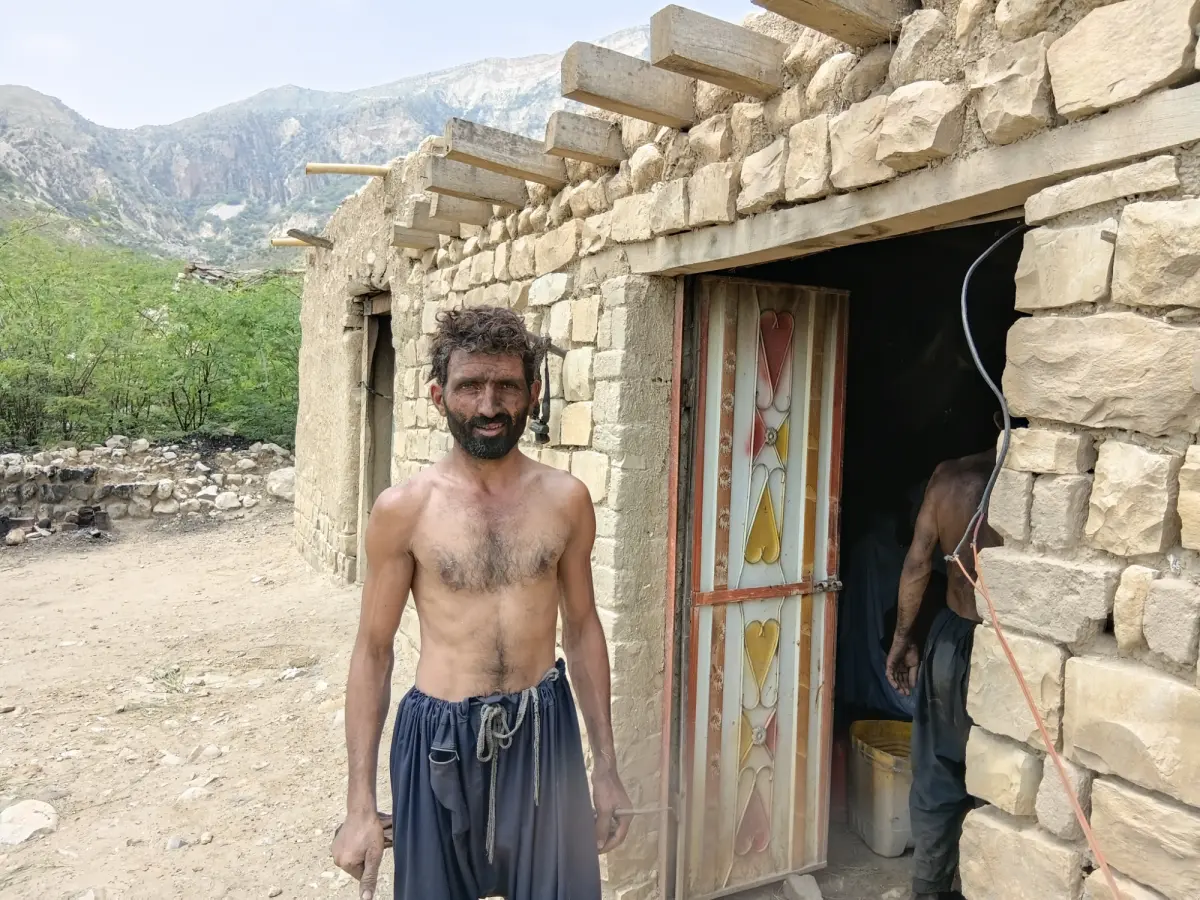
Nizam Din’s brother tells it differently.
“We opened a bank account and submitted the documents, but so far, we have received nothing, not even a single penny. If we speak up, we fear we may not receive the Rs500,000 we are supposed to get in compensation for my brother’s life. Six or seven MCW officials came here by car for Fateha, but they did not give us a single penny. The local contractors Nizam worked with gave us only Rs30,000 for his funeral. We also applied for a pension, but it has still not been approved.”
Abdul Kareem
Nizam’s son, Zafarullah, has to buy wheat. Had the money come on time, he could have bought it when a 100kg bag cost Rs10,300. Now it costs Rs12,500.
Zafarullah has a neurodevelopmental disorder and works as a daily-wage labourer on house construction. He can’t find work every day; usually two or three days a week.
“Their ration card has also been blocked, so they are no longer getting the Rs3,000 a month they used to. I am also a daily-wage worker. How much can one labourer really help another?”
Abdul Kareem
Zafarullah’s younger brother is in seventh grade. In the evenings he sells papar and biscuits at a sports ground, where his friends play cricket and volleyball.
The law
Rs4,000 for a life
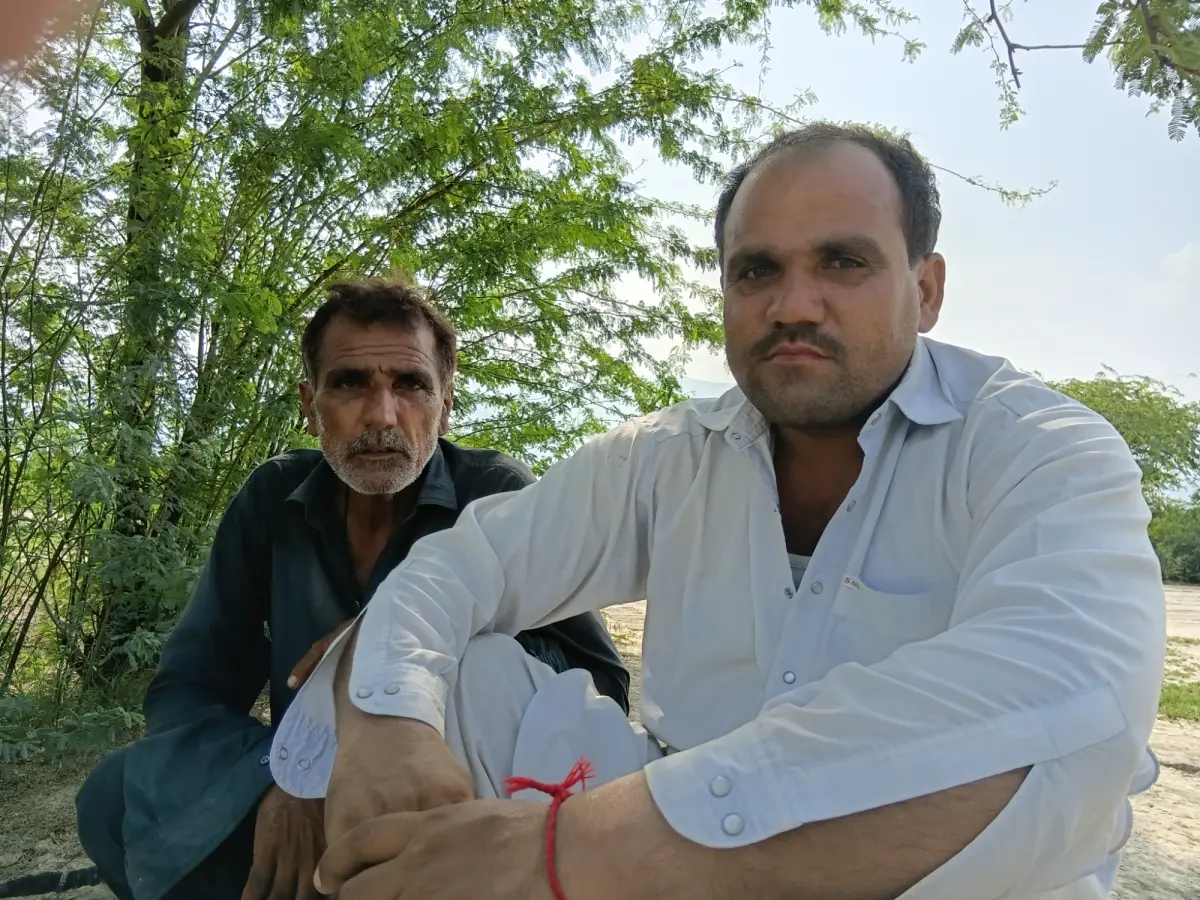
In Punjab, the Mines Act, 1923, sets penalties of Rs1,000, Rs2,000 and Rs4,000 for offences that cause death or serious injury. The amounts were raised in 1973 but are still low by today’s standards. A Rs4,000 fine, a year in jail, or both, for a death in a mine is unlikely to stop anyone.
“How can we hold a company accountable with such low penalties?”
A mine inspector
Under the Act, anyone under 15 is a child. But it lets workers under 17 go into mines if a doctor gives them a fitness certificate.
The law allows a levy of “not exceeding three paisa per ton” of coal to pay for rescue stations. The paisa has meant nothing in Pakistan for decades.
“Either you do mining or follow safety guidelines; these two cannot run in parallel.”
Shahid, MCW official
The mine where Nizam Din died remains sealed.
[Response from Punjab’s Minister of Mines and Minerals: he has not responded to repeated calls.]
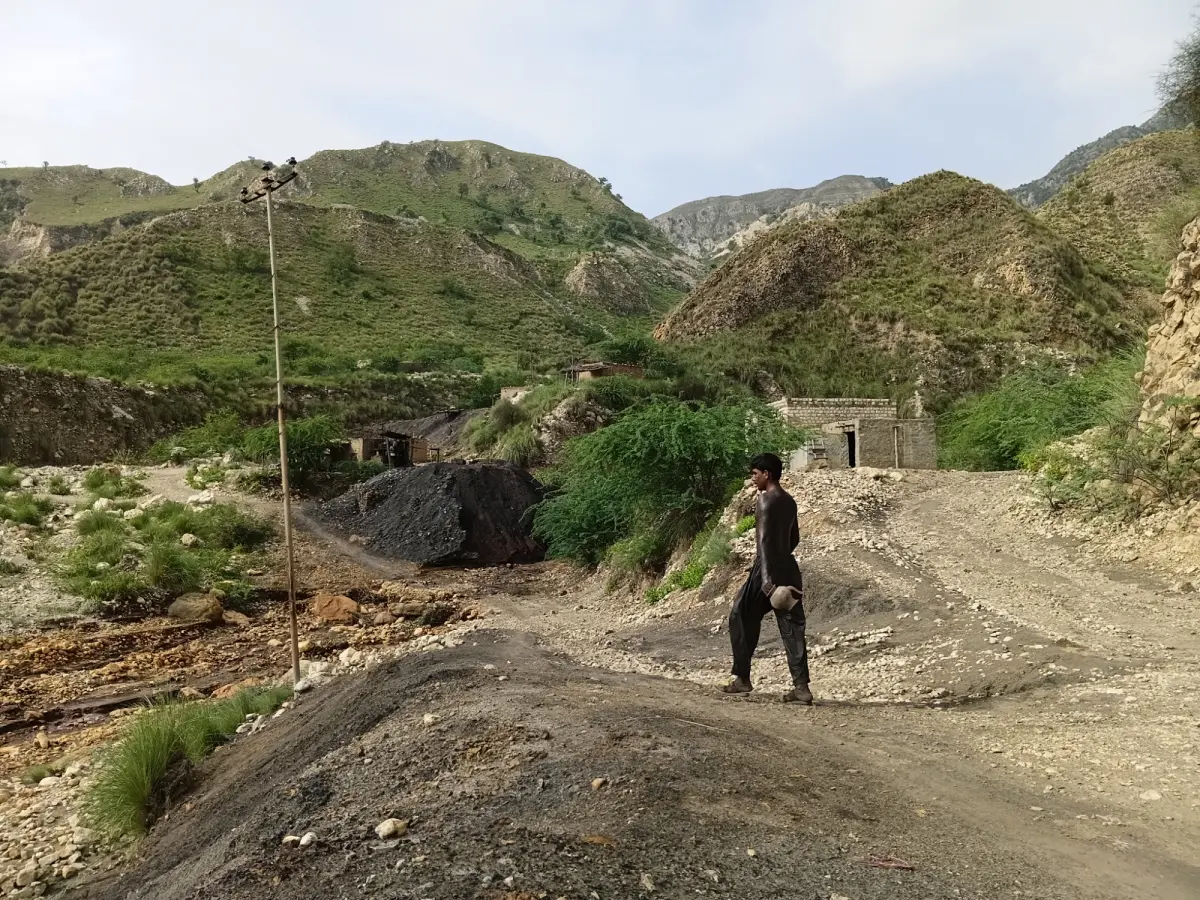
After Nizam’s death, a clerk from the Makerwal police station came to see Kareem.
“Do you have any complaint against anyone? You can tell us.”
“I have no complaints against anyone. Allah willed this. Nizam belonged to Allah; what could I say?”
(function(){
var R=document.getElementById(“bhs-lamp”);
var r=220,D=’radial-gradient(circle 110px at 50% 55%, rgba(5,4,3,0.55) 0, rgba(5,4,3,0.97) 100%)’;
function L(x,y){return ‘radial-gradient(circle ‘+r+’px at ‘+x+’px ‘+y+’px, rgba(255,214,140,0.06) 0, rgba(5,4,3,0) 35%, rgba(5,4,3,0.97) 100%)’;}
var touch=window.matchMedia&&matchMedia(‘(hover: none)’).matches;
R.querySelectorAll(‘.plate’).forEach(function(p){
var s=p.querySelector(‘.shade’);if(!s)return;var done=false,timer=null;
s.style.transition=’opacity 1.4s ease’;
function reveal(){if(done)return;done=true;clearTimeout(timer);s.style.opacity=’0′;}
function m(e){if(done)return;var b=p.getBoundingClientRect();s.style.background=L(e.clientX-b.left,e.clientY-b.top);if(!timer)timer=setTimeout(reveal,1500);}
p.addEventListener(‘mousemove’,m);
p.addEventListener(‘mouseleave’,function(){if(timer)reveal();else s.style.background=D;});
p.addEventListener(‘click’,function(e){m(e);setTimeout(reveal,300);});
if(touch&&’IntersectionObserver’ in window){
var io=new IntersectionObserver(function(en){en.forEach(function(x){if(!x.isIntersecting||done)return;io.unobserve(p);
var b=p.getBoundingClientRect(),t0=null;
function step(t){if(!t0)t0=t;var k=Math.min(1,(t-t0)/1300);s.style.background=L(b.width*(0.15+0.7*k),b.height*(0.6-0.2*Math.sin(k*3.14)));if(k<1&&!done)requestAnimationFrame(step);else reveal();}
requestAnimationFrame(step);});},{threshold:0.6});
io.observe(p);}
});
})();
(function () {
var me = document.currentScript || document.scripts[document.scripts.length – 1];
var wrapper = me && me.closest(‘.raw-html-embed-wrapper’);
var source = wrapper && wrapper.querySelector(‘script.raw-html-source’);
if (!source || wrapper._rawHtmlMounted) return;
wrapper._rawHtmlMounted = true;
// position:sticky breaks under any overflow:hidden ancestor. “clip” hides the same overflow
// without creating a scroll container.
for (var a = wrapper.parentElement; a; a = a.parentElement) {
var cs = getComputedStyle(a);
if (cs.overflowX === ‘hidden’) a.style.overflowX = ‘clip’;
if (cs.overflowY === ‘hidden’) a.style.overflowY = ‘clip’;
}
// Undo the server-side escaping of closing script tags / comment openers.
var html = source.textContent.replace(/<(\+)(/script|!–)/gi, function (m, slashes, token) {
return '<' + slashes.slice(1) + token;
});
source.remove();
// iOS Safari kills tabs that hold many large base64 images: turn them into blob: URLs.
// blob: URLs work inside the srcdoc frame because it inherits our origin.
html = html.replace(/data:(image/[w.+-]+);base64,([A-Za-z0-9+/=]+)/g, function (m, type, b64) {
if (b64.length < 4096) return m;
try {
var bin = atob(b64), bytes = new Uint8Array(bin.length);
for (var i = 0; i frame.clientHeight ? scroller.scrollHeight : root.getBoundingClientRect().height);
pinned = h > window.innerHeight;
if (pinned) {
stage.style.position = ‘sticky’;
stage.style.top = ‘0’;
fillScreen(stage);
track.style.height = h + ‘px’;
max = Math.max(0, h – frame.clientHeight);
} else {
// Grow only: vh-based content would otherwise shrink with its own frame, forever.
fitH = Math.max(fitH, h);
stage.style.position = ‘static’;
stage.style.height = fitH + ‘px’;
track.style.height = ‘auto’;
max = 0;
}
sync(true);
}
frame.addEventListener(‘load’, function () {
try {
win = frame.contentWindow;
doc = win.document;
var ro = new win.ResizeObserver(measure); // created in the frame’s realm
ro.observe(doc.documentElement);
if (doc.body) ro.observe(doc.body);
doc.addEventListener(‘click’, onAnchorClick);
measure();
} catch (e) {
// No script access to the frame: fall back to a plain scrollable frame.
win = null;
frame.removeAttribute(‘scrolling’);
stage.style.position = ‘static’;
fillScreen(stage);
track.style.height = ‘auto’;
}
});
fillScreen(stage);
fillScreen(track); // placeholder until the frame has loaded and been measured
window.addEventListener(‘scroll’, function () { sync(false); }, { passive: true });
window.addEventListener(‘resize’, measure);
stage.appendChild(frame);
track.appendChild(stage);
wrapper.appendChild(track);
})();
body {
background: black;
}
.prism-header {
filter: invert(1);
}
.template__main {
width: 100vw;
padding: 0;
}
.template__footer {
padding: 0 20px;
}
.template__header, .prism__footer, .story__title, .story__excerpt,
.story__excerpt+div, .story__byline,
.story-header-container, header {
display: none;
}
.template__footer {
display: none;
}
The post Black hole son appeared first on Dawn – Home.
