
From a distance, Malot Fort looks like a postcard. Perched on a hilltop in the picturesque Salt Range near Kallar Kahar, the historic monument offers breathtaking views of the surrounding landscape.
As visitors climb the hill, the Malot Temple comes into view, standing alone against the vast sky. On a clear day, the River Jhelum can also be seen from the fort. For a moment, the visitor may believe the promotional video circulating on Facebook that describes the site as “Punjab’s undiscovered heritage jewel”.
But the experience changes as one approaches the fort.
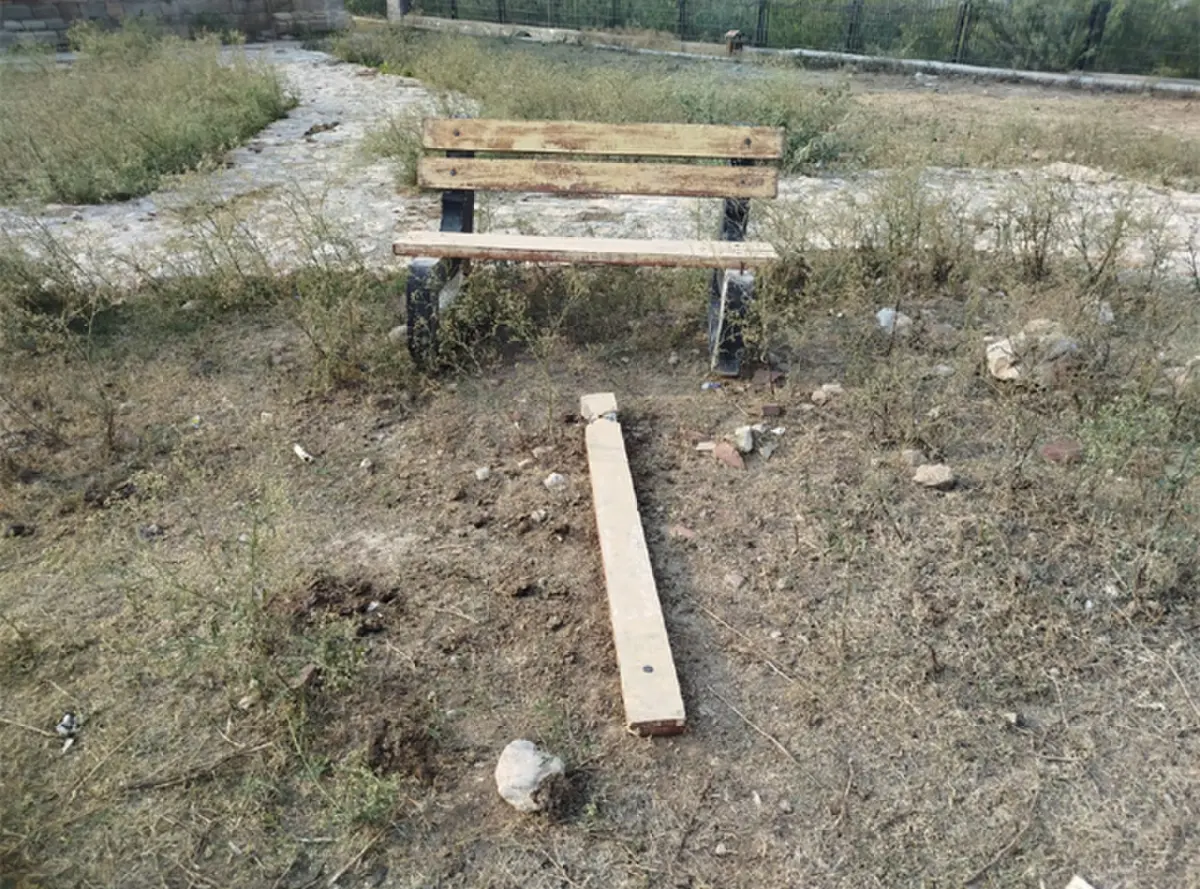
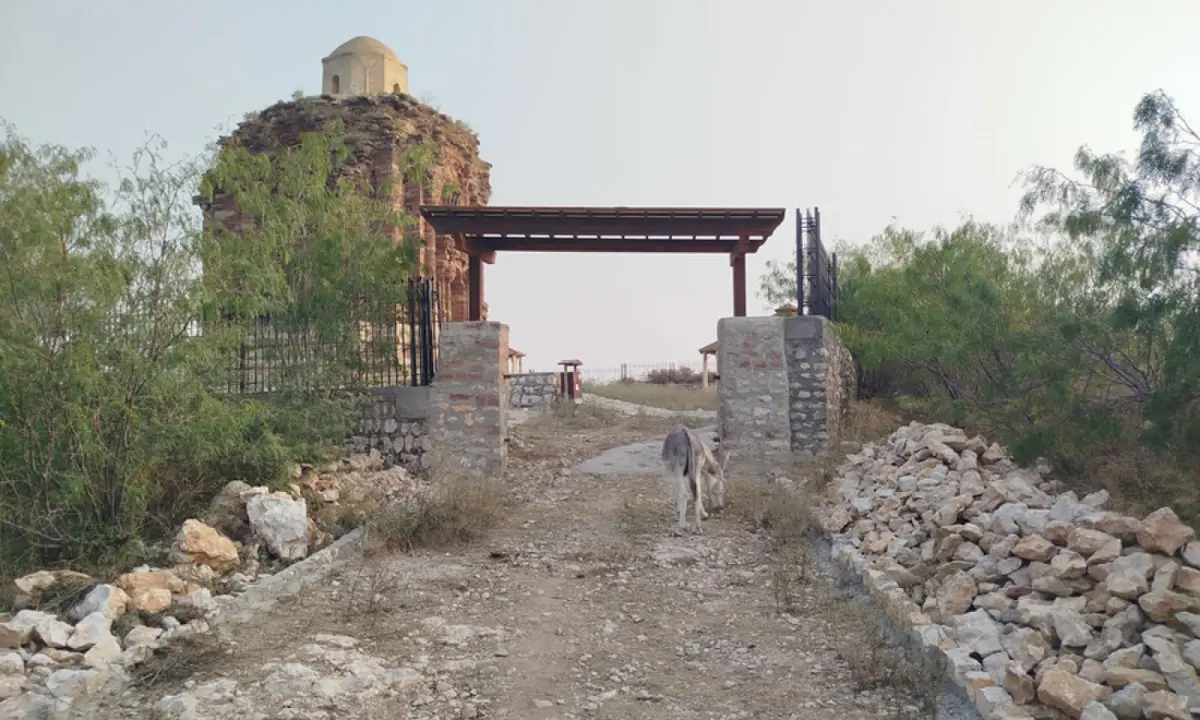
The road disappears into scattered stones, while thorny kikri (Prosopis juliflora) bushes encroach on the pathway. Parthenium, one of the most invasive weeds, has spread across the complex. Newly installed benches lie broken, and a half-built structure stands abandoned.
Inside the fort, donkeys and cattle graze and rest in areas meant for tourists. Mobile phone companies have also installed towers beside the thousand-year-old monument, creating a strange juxtaposition of modern infrastructure and historic heritage.
Described as the most beautiful fort in the Salt Range, Malot has been the subject of two consecutive projects undertaken by the Punjab Archaeology Department and the Tourism Development Corporation of Punjab (TDCP) for its conservation, restoration and development. Despite these initiatives, toilets have yet to be constructed, development work has been halted due to a shortage of funds, and animal waste is scattered across the premises.
The fort and village of Malot are named after Raja Mal or Mallu, the first ruler and ancestor of the Janjua tribe of Punjab, who converted to Islam in the early decades of the 11th century during the reign of Mahmood of Ghazna.
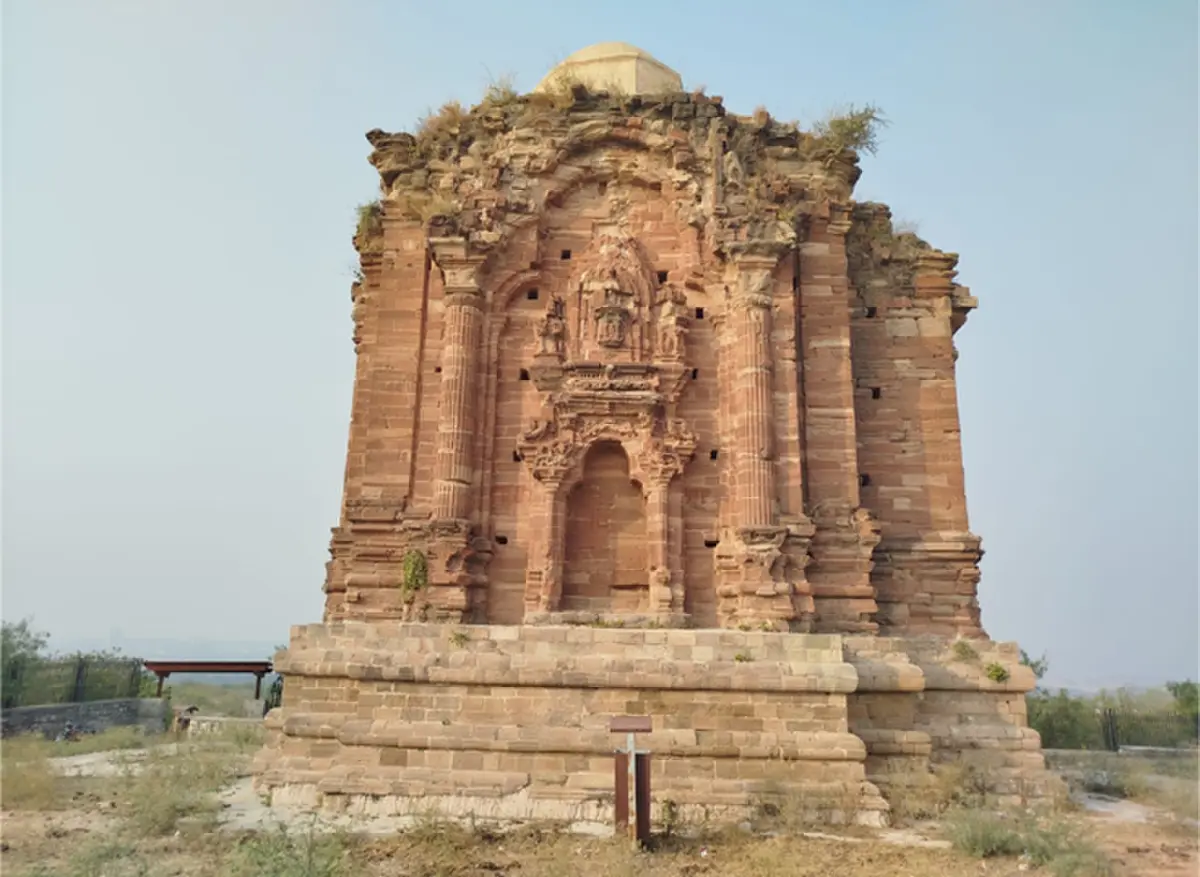
The temple in Malot village holds a unique position among the temples of the Salt Range because of its imposing gateway, which was probably constructed at a later date. At present, there is no passage connecting the two structures.
The floor levels of both structures are considerably higher than the present ground level of the surrounding area. However, clear evidence indicates that a built-up passage once connected them, approximately 2.4 metres above the current ground level. The distance between the temple and its gateway is 17.4 metres.
A crudely built canopy on top of the temple is a much later addition, most probably constructed to serve as a watchtower. Although the exact dates of construction of the Malot Temple and its gateway are unknown, their Kashmiri architectural style places them between the 7th and 10th centuries of the Christian era, when the Salt Range was dominated by Kashmiri Hindu-Shahi dynasties. Both the temple and gateway are protected under the Antiquities Act, 1975.
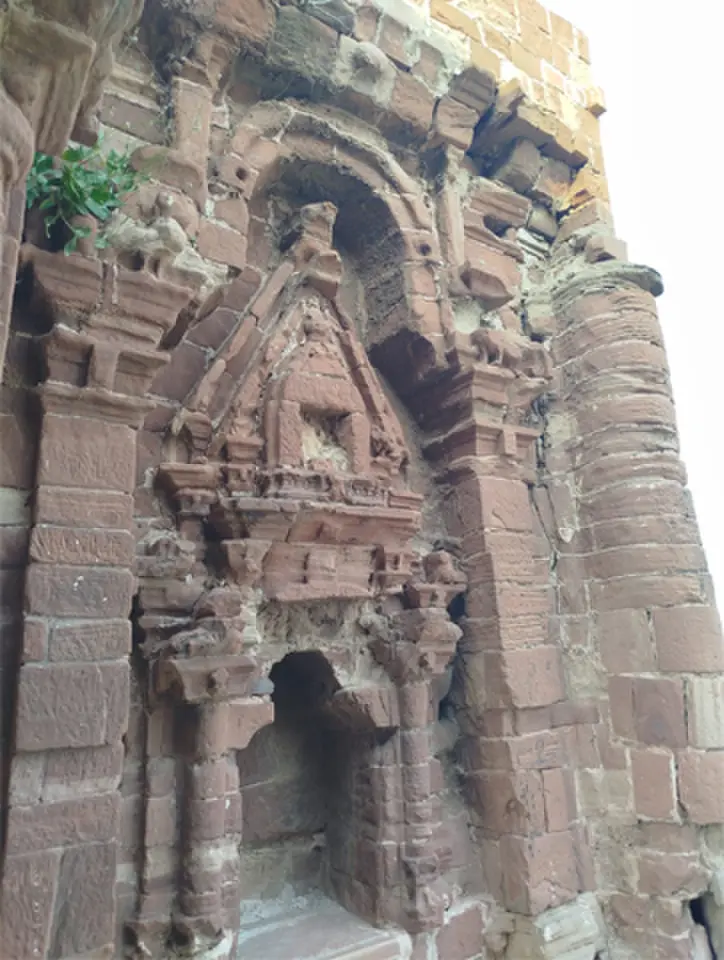
The Directorate of Archaeology, Punjab, launched a conservation and preservation project at Malot in 2021.
The project was completed in 2023 at a cost of Rs12 million. The temple was conserved and restored, while wild plants and weeds were also removed from the site. However, in the absence of a caretaker, the weeds gradually returned.
Another project for the beautification and development of Malot Fort is being undertaken by the TDCP.
On Oct 1, the corporation posted a video on its official Facebook page, stating, “Discover the historic beauty of Malot Temple, Chakwal, where ancient architecture, rich heritage, and breathtaking landscapes come together to tell stories of the past. Explore the magnificent heritage of Punjab with TDCP.”
Featuring a picture of Chief Minister Maryam Nawaz Sharif in its upper-right corner, the video showcased the fort’s scenic beauty and highlighted the development work being carried out at the site.
The Punjab Tourism for Economic Growth Project (PTEGP) is a flagship initiative of the Punjab government, undertaken in collaboration with the World Bank, to transform tourism into a major driver of regional development, employment generation and revenue growth.
An official, requesting anonymity, told Dawn that Malot Fort was also included in the PTEGP.
“The funding was hefty, but it has not translated into work on the ground. This aspect needs to be investigated to establish where the money was spent, as the fort still presents a picture of neglect,” the official said.
When approached, TDCP Regional Manager Mohammad Abbas Ashraf told Dawn that 80pc of the development work at Malot had been completed.
“The work has been stopped due to a shortage of funds, but it will be completed soon,” he said.
However, he did not disclose the exact cost of the ongoing TDCP project, which remains stalled. Sub-Divisional Officer Archaeology Aamir Shahzad told Dawn that his department had completed its project in 2023.
“The fort needs a caretaker for its upkeep, but unfortunately, we are short of staff,” he said, adding that efforts were under way to hire security guards to look after the monument.
Published in Dawn, November 16th, 2026
The post Historic Malot Fort in Chakwal presents a picture of neglect appeared first on Dawn – Home.
