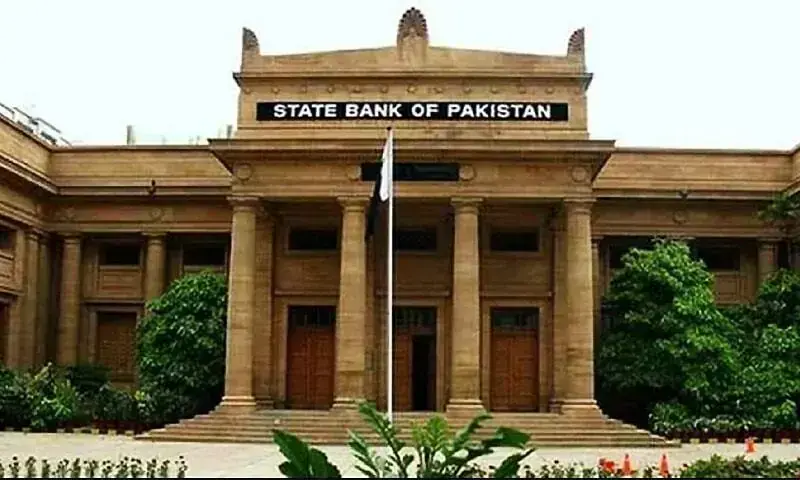
KARACHI: As the world continues to grapple with uncertain oil prices, the State Bank of Pakistan (SBP) is unlikely to meet its FY27 mid-term inflation target of 5-7 per cent, financial experts and analysts said.
Consumer Price Index-based inflation of 10.3 per cent in September clearly indicates that industry, businesses, and the general public will bear the brunt of these cost-push inflationary pressures.
Experts believe the central bank will not lower interest rates to stimulate economic activity. Instead, it will maintain a tight monetary stance to support ‘sustainable’ growth.
For the past four years, the government and the SBP have been satisfied with low but sustainable growth of around 3 to 3.7 per cent—a level that creates no jobs and does not address the severe problem of 44 per cent of Pakistanis living in poverty.
“There is no domestic or foreign investment, and existing industries are struggling to survive. The situation would not change unless a comprehensive economic policy is introduced to support domestic investment, which is being undermined by inflated energy prices and overall double-digit inflation,” said Amir Aziz, a manufacturer and exporter of textile made-ups.
“Inflation is only one factor. Bangladesh is in a much better position, as energy costs about 7 to 8 cents per unit, compared with 14 to 16 cents in Pakistan. This gives Bangladesh an advantage over Pakistani products,” said Mr Mohammad Hasham, who recently returned home after serving the Bangladesh textile industry for 25 years as the head of some of its largest textile units.
He said double-digit inflation is killing both the industry and investors, and economic activity is slowing, causing pain for the general public.
Tresmark Chief Executive Faisal Mamsa said that Pakistan’s authorities reportedly expect inflation to average around 7.5pc if oil returns towards $80, and around 8.2pc if it remains near $100 per barrel.
“They also expect inflation to moderate after December and argue that the current 11.5pc policy rate remains appropriate,” he said.
However, many experts disagree that the SBP policy rate will remain unchanged at 11.5pc despite double-digit inflation.
At the same time, the government raised cut-off yields by up to 75 basis points, with the highest at 12.49pc for the one-year tenor at Wednesday’s T-bill auction. The hike in returns on risk-free government papers reflected a possible rise in the SBP policy rate at the next Monetary Policy Committee meeting on Oct 26.
Mr Mamsa said the stable rupee helps contain imported inflation. Higher domestic fuel prices allow demand and imports to adjust.
“The IMF, meanwhile, continues to emphasise a more market-based exchange rate. The authorities are reluctant to reopen the imported inflation Pandora’s Box,” he said, adding that a market-based exchange rate parity does not automatically mean a weaker rupee.
“If remittances remain strong, reserves continue improving, the current account stays manageable, and the dollar demand remains contained, price discovery can still produce a stable currency,” he said.
Published in Dawn, October 4th, 2026
The post Tight monetary policy likely to continue appeared first on Dawn – Home.